Tag: life

  • The Legacy of a Grandmother

    The Legacy of a Grandmother

    The Legacy of a Grandmother

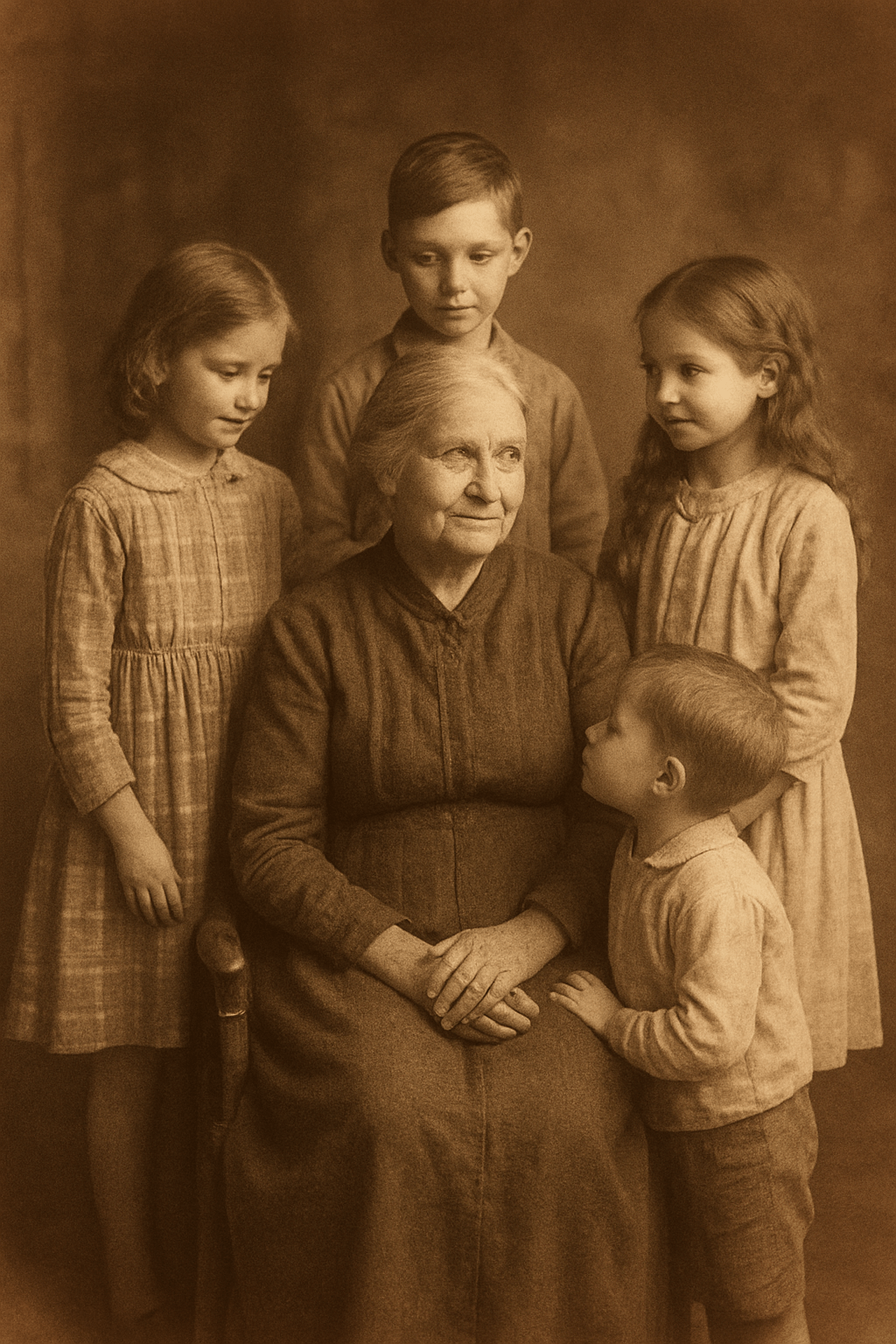
    I had a grandma, a grandmom, and a nanna. Three very different women, born of different circumstances, and yet very much the same.

    We lived with Nanna during my youngest years. Her home was a powerhouse of fond memories. She was a strong German woman who took in numerous foster children, one of whom was my mother. As an adult, my mom needed a wheelchair, and Nanna became partly her caretaker. As a child, I saw her as weak, but she was fierce in her strength.

    Grandmom was my father’s mother, the daughter of a candymaker in Baltimore. She birthed thirteen children and had more grandchildren than anyone could count. I was one of them, yet when I was with her, she made me feel like the only one. Gentle and traditional, she baked the best cakes and grew the finest roses.

    Grandma, my mother’s mother, lived on what we called “poverty row.” Her ex-husband, my grandfather, was abusive and an alcoholic, and a government agency split their three children apart. Fiercely religious and spiritual—a holy roller, a savior of the lost and downtrodden—she treated me like an angel. She laughed easily, knelt on my level, and helped pull me through the grief of losing Karen.

    My mother, the grandmother of my children, spent most of her own childhood and teen years in the foster care system. Yet she became the most loving, involved grandmother of all. I was blessed with a model mother, and she carried that care into her role as “Grandma.”

    Now it’s my turn. I carry forward elements of all four women, adding my own. I know some people never knew their grandmothers. Others may not have had positive experiences. But behind each of us is a legacy of women—whoever they were, however they lived—who shaped our lives.

    Today, as I prepare for my grandson’s Wednesday visit, I feel those women with me—their laughter, their resilience, their love—woven into who I am as a grandmother.

    What about you? What influence, positive or negative, did the women of the older generation leave on your life?

  • A Portrait of Grief

    A Portrait of Grief

    A Portrait of Grief

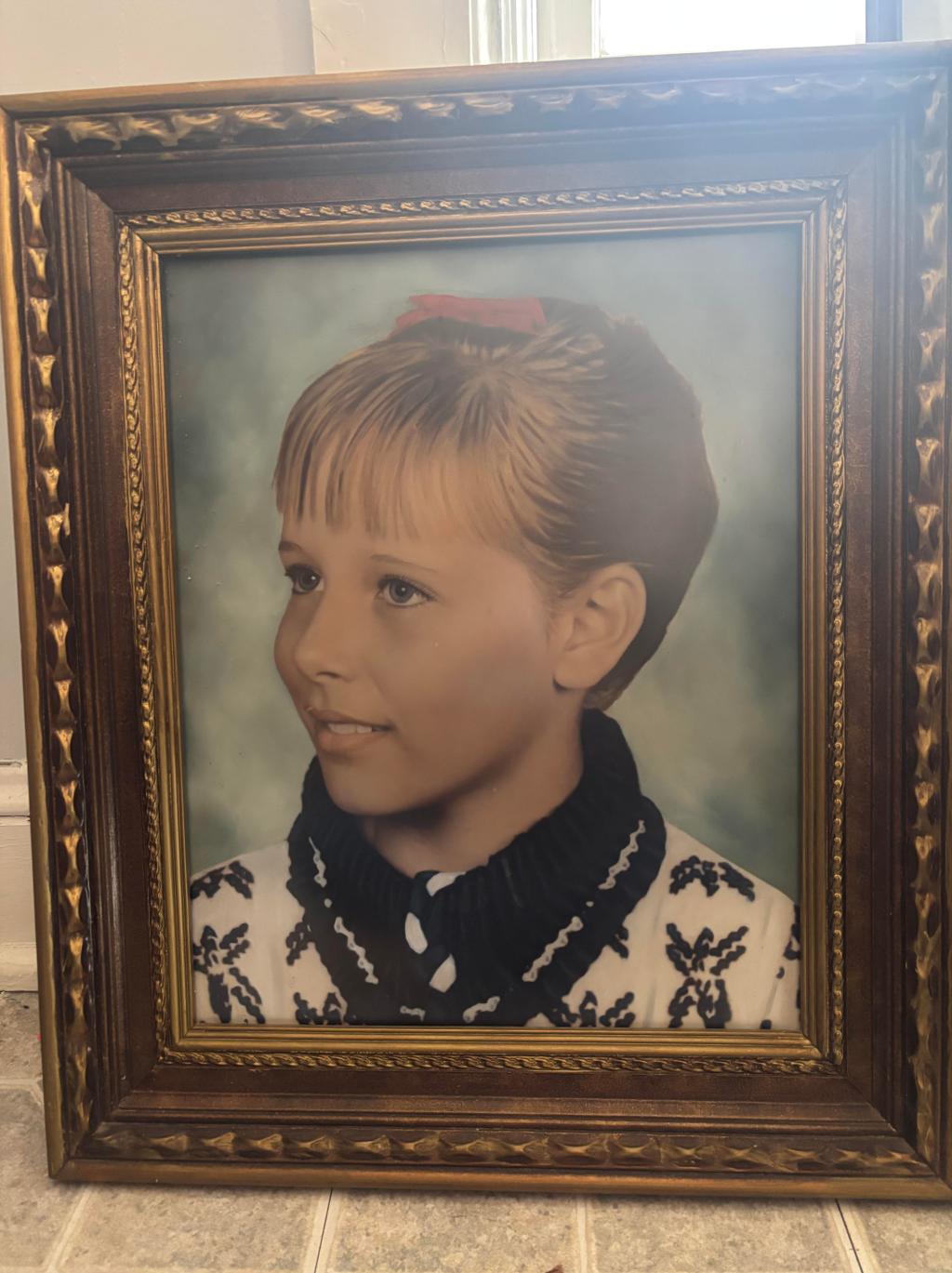
    It’s been fifty-seven years since she passed. I keep mementos around my office and bedroom, so she’s never far from my thoughts. About fifteen years ago, I realized I could talk about her and see pictures of her without losing my mind. Our long book of grief was finally closed and set on the shelf. Then I was given the portrait.

    A huge school picture, the kind meant for hanging over a fireplace. I’d stared at this picture and longed for it most of my life. Now it sits in my office, still without a place on the wall. Part of me wants to hang it prominently in the living room—but she means nothing to my family. My office? Would that be hiding her away—or finally putting her where she belongs?

    Last night, she sat in my living room while we watched TV. I think I spent as much time watching her as I did the screen. Remembering words I never got to say. I was probably much too young to speak them then. Not that I haven’t talked with her over the years—countless hours lying by her grave, telling her about my day, playing our music, and getting lost in our past. My portrait. Her face.

    I always thought I should have been the one to pass on, me being the sickly one. Irrational, but a part of me still carries that guilt. Growing up, I wanted to be perfect so I’d get to heaven and see her again. I wanted to be the best to fill the hole her absence left. I was just a kid—I’ve had plenty of therapy since then.

    So why am I sitting here now, lightly sobbing? It’s only a portrait that needs a home. But I wonder if I ever told her I loved her—not after the fact, but in the moment, when she could answer back.

    It’s been fifty-seven years since she passed, fifteen since I stopped punishing myself. And now this portrait sits here, reminding me that maybe grief isn’t a closed book after all—it’s a story that keeps finding its way back into my hands.

  • Disney Magic and a Red Car

    Disney Magic and a Red Car

    Hubby and I walk into a car rental place and pick out a Chevy Cruze the agency insists is “RED.” I call it terracotta. Chevy’s website calls it Autumn Metallic. Either way, it’s not red.

    Why does this matter? Imagine trying to find your rental in a strange lot and saying, “It’s red.” Would you look for that car? Exactly.

    The Cruze also has a dashboard computer that does everything but bake bread—without instructions. Too tired to figure it out, we grab gas and snacks at a Kangaroo mini-mart.

    While Hubby’s inside, I plug in my phone. He returns and says, “Find something on the radio. Looks like it’s got satellite.” I try, but the screen keeps asking me permission for things I don’t understand. I hit yes. Nothing happens.

    Then suddenly—music. “Yo, ho, yo, ho, a pirate’s life for me,” in a voice suspiciously like Johnny Depp. Next up: This Is Halloween from The Nightmare Before Christmas. Perfect, since we’re headed to Disney World.

    “It’s like they know we’re coming,” Hubby says. “Disney must have its own station.”

    I’m convinced. We sing along—until the songs end abruptly. Then comes a rumba ditty we hate, followed by beeps, whirls, and finally… a telephone ring.

    Hubby stares at me. “Those are your ringtones! The car is playing your ringtones. What did you plug into?”

    And just like that, the Disney magic vanishes. Johnny Depp wasn’t crooning to me after all; it was an old 99-cent ringtone download. This Is Halloween? Same story.

    So no, I don’t know how to work the car’s computer. But I do know one thing: I’m not sitting in a RED car.

    Has your car ever synced itself to your ringtones?


    I

  • The Mobility Scooter

    The Mobility Scooter

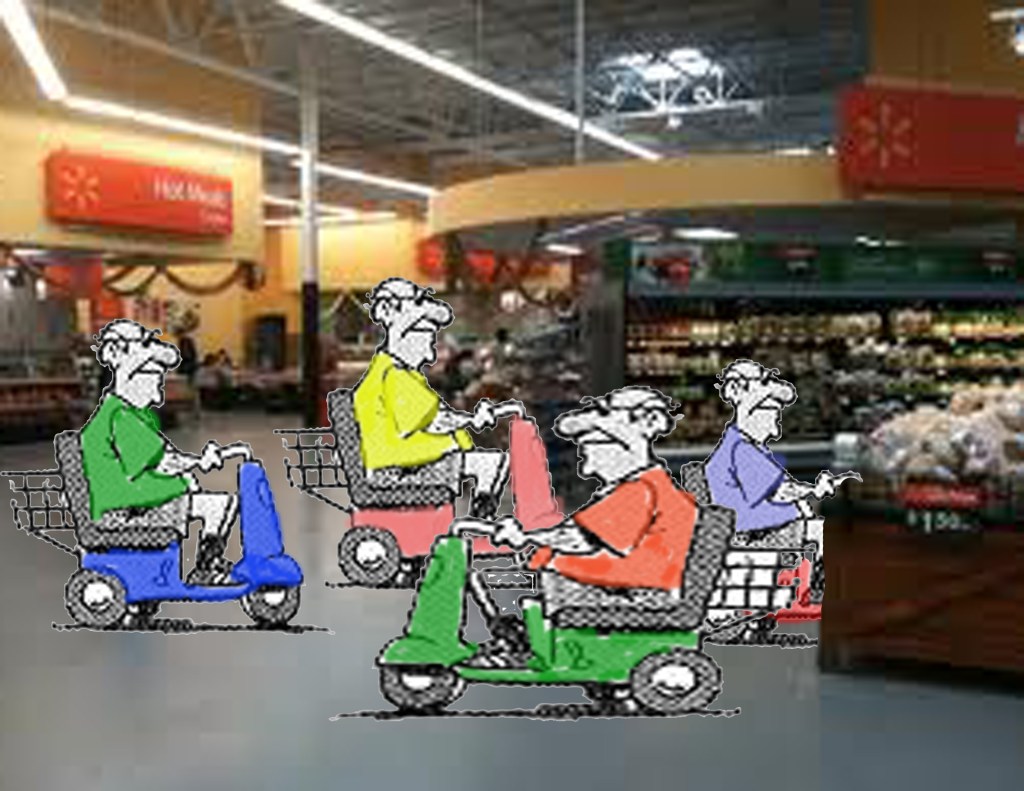
    There are reasons and times when it is necessary to buy or rent a scooter to get around. This decision does not come easily, and the public, in many cases, is not sympathetic. In fact, they are prejudice, misunderstanding, and outright cruel.

    We don’t get out much, but when we do, my husband needs to use a scooter. What we’ve encountered in people is hurtful and frustrating.

    1. They accuse him of faking his disability.
    2. Call him lazy.
    3. Accuse him of milking a system to get privileges or perks.

    My husband, to offset some of these things, wears his Navy hat. If people see the hat, they leave him alone. Assuming, I guess, that he was injured during his fourteen years of service. And that makes it okay to use a mobility scooter.

    Yes, there are reasons people act like jerks to the disabled.

    1. They do not understand hidden disabilities.
    2. They see scooters as being in the way.
    3. Some people just need to mock or discredit people with disabilities.
    4. Some people use cruelty to not have to look at their own vulnerabilities.
    5. They feel the person is being lazy and want to teach them a lesson.

    We especially have this problem in locations where multiple people are using a mobility scooter. You can hear the sighs, the jeers, the personal attacks. People going out of their way to make the person in the scooter feel small.

    It’s tough to use a mobility scooter.

    1. You have to face your own issues with loosing mobility.
    2. You are, in a way, putting a bullseye on by using the scooter.
    3. The limited ability to go to all places and terrains, and weather.
    4. I’m sure there are many more reasons it is tough to use the scooter.

    So, next time you see someone or a group of people in a mobility scooter, remember they would much rather have your mobility than sit in that chair. For the love of God, stop being so cruel!

  • THE LONG GOODBYE, THEN THE SILENCE

    THE LONG GOODBYE, THEN THE SILENCE

    My uncle was dying in a Florida hospital, a thousand miles away. The call came early: Expect the inevitable. Keep your phone close.

    He wasn’t just an uncle—he was a second father. But I was home with my daughter, helping her recover from major spine surgery. She needed me. I couldn’t leave.

    All day, I juggled logistics, wondering if I could fly down. My mother said, “Let us visit the hospital, then we’ll talk tonight.” But the call never came.

    By midnight, my imagination took over. Maybe he’d already passed. Maybe they were too distraught to tell me—like when my sister died when I was seven and I couldn’t say goodbye.

    At 12:30 a.m., I half-joked to my daughter, “Maybe he’ll come say goodbye.” I thought of my grandmother’s rocker that moved by itself after she died. Surely my uncle could find a way.

    Unable to sleep, I crept downstairs for Lucky Charms, passing my late sister’s Chatty Cathy doll. I pulled out my uncle’s old camera, set it on the table, and cried until empty. Then—a shadow at my feet. I screamed. The milk went flying.

    “Meow.” Just the cat.

    The phone rang—he was still alive. Instead of relief, I felt emptiness. The next night, the real call came: my uncle was gone. I went numb, then collapsed into wailing.

    I’ve seen a lot of grief in my practice, and I know: do whatever healthy thing you need to survive. I let my thoughts spiral. I isolated. Days later, I picked up his camera and started shooting stills while playing childhood music.

    My office door swung open. A warm, healing feeling washed over me—comforting, not frightening. I like to think my uncle came to give me a hug. It was what I needed to begin the long, twisting road of healing. Who are you to tell me it was anything different?

    IF YOU ARE GRIEVING, KNOW THESE THINGS:

    • No one grieves the same.
    • Don’t let anyone tell you you’re taking too long.
    • Use your support system.
    • Keep a treasured object.
    • Write letters to your loved one.
    • Join a support group when ready.
    • Seek counseling if you’re struggling—or simply to talk.
    • Pray, meditate, or find your own way to connect.

    If you’re grieving, my condolences. I hope my experience helps you on your journey. —Debbie

  • Why We Do What We Do (Even When It Doesn’t Make Sense)

    ©AI Generated

    Let’s continue the conversation about how to build healthier relationships—with others and with yourself.

    Here’s a powerful truth to sit with:

    Everything we think, feel, or do is based on what we believe is in our best interest at the time.
    Even when it looks like the exact opposite.

    That’s a hard concept to swallow—especially when we think about someone staying in an abusive relationship, joining a gang, getting hooked on drugs, or constantly procrastinating. Even in these situations, the person believes—on some level—that their actions are helping them survive, cope, or meet a deep emotional need.

    We all do things that aren’t in our best interest sometimes. That’s human. (And if you think you never do, you may want to call a mental health provider. Just saying.)

    So why do we act against our own well-being?

    It comes down to how our brains are “programmed.”

    Think of your brain like a computer. It only works based on the data it’s been fed. You were born with some basic instincts—crying when hungry, searching for comfort—but most of your programming came from your parents, your environment, school, relationships, and everything you’ve experienced since birth.

    And the earlier that programming is installed, the deeper it runs.

    Let’s say Joe is a warm, affectionate guy who grew up in a cold, distant home. His inner radar is now tuned to search for love and connection—sometimes in all the wrong places. If his need is strong enough, he might even engage in risky or self-destructive behaviors just to feel loved or valued.

    Our brains are always scanning for ways to meet our needs, just like we search for a deal on ground beef or the right words to win an argument. Every choice we make—whether we eat a salad or grab a Big Mac—is based on our filters and beliefs about what will help us feel better, safer, happier, or more in control.

    So here’s your challenge:
    Pause today and ask yourself why you’re doing (or not doing) something.

    • Why did you hold the door for someone?
    • Why did you snap at your spouse?
    • Why are you running late again?
    • Why are you reading this blog?

    Every action has a deeper motivation, even if it’s buried.

    Let me give you an example:
    You’re late for work, exhausted, and have to give a big presentation. You know espresso makes you jittery, but you drink one anyway—and sure enough, you flub the presentation.

    Why did you drink it? Not just because you were tired.

    Dig deeper. Maybe you were desperate to impress, hoping for a promotion. Why? Because you want to be seen as a good provider. Why? Because you want your family to love and respect you. Boom. That’s the real reason.

    But here’s the twist: What if chasing that promotion makes you less available to your family? What if it leaves you feeling even less loved?

    It’s time to ask the bigger question: What does love really look like to me?
    And are my current actions bringing me closer to it—or pushing it away?

    You don’t have to have all the answers. But if you can recognize your deeper needs, question your beliefs, and stay open to new perspectives—you can begin to make healthier, more intentional choices.

    And always remember:
    Sometimes, the choice that seems irrational to others is the best a person can do in that moment—especially when survival is on the line.

  • Before You Get Mad Again: Read This!

    ©Deborah Hill

    Wouldn’t it be nice if people came with instruction manuals?
    Better yet—what if we came with our own?

    Imagine how much easier relationships would be—both with ourselves and with others—if we had a clear set of directions to follow. You might be surprised to learn: you don’t need a 200-page manual. A couple of index cards would do.

    That’s because the basics are simple. Unfortunately, most people never get taught them. So we end up walking through life with blinders on, trying one approach after another, hoping something sticks.

    Take this example:
    Someone gets angry and gives the silent treatment. Why? Because they believe the other person should know what they did wrong. The problem is—it solves nothing, gains nothing, and slowly chips away at the relationship. The more chips, the more dysfunction. Yet the behavior continues, often with confusion and surprise when the relationship sours.

    Why do we do this?
    Because no one gave us the index cards.

    Here’s the first card:

    1. People can only act and react (thinking, feeling, doing) based on what they know.

    Sounds obvious, right? But if it were, we’d all be a lot gentler with each other.
    Instead, we regularly expect others to respond the way we would, based on our experiences, our knowledge, and our perceptions (meanings).

    Let’s look at a few examples:


    Expectation:
    “If you loved me, you’d bring me chocolate donuts with sprinkles.”
    Reaction:
    “I brought you flowers. I thought that meant I loved you. How was I supposed to know donuts meant love?”


    Expectation:
    “You should know better than to leave the oven in clean mode when leaving the house! Everyone knows that’s a fire risk!”
    Reaction:
    “I didn’t know that. I’ve never cleaned an oven before. How would I know it could catch fire?”


    Expectation:
    “Can’t you do anything right? You can’t even load the dishwasher correctly!”
    Reaction:
    “Is there a right way? I was just trying to help. You know what—next time, you do it.”


    Want to be shocked? Try this:

    Spend one full day paying attention to how often you expect someone to act or respond based on your knowledge. Count how many times you assume someone “should just know.”

    Then, spend another day observing how you feel when others make the same assumption about you—expecting you to read their minds, meet their needs, or act in a way that makes sense only in their world.

    You’ll start to see just how much of our conflict stems from this silent mismatch of expectations.

    And one last thought:
    Even if you’ve known someone your whole life, don’t assume they know what you know—or that they’ll process things the same way.
    We’re all working without manuals.

  • Sex and Pancakes

    @Deborah Hill

    Sex and Pancakes

    Craving Connection in a World of Instant Gratification

    By: Deborah Hill LCSW (Ret.)

    I like to unwind with reruns of The Colbert Report and The Daily Show. No matter what kind of day I’ve had, that satirical hour somehow makes everything feel a little better.

    One episode featured a spoof on black-market Canadian maple syrup, comparing it to a drug cartel. The mock reporter—adamantly syrup-free—feared one taste would spiral him into addiction, crime, and sticky ruin. Naturally, he caved. The next thing you know: endless pancakes, missed work, shady street deals, and a full-blown syrup bender.

    I laughed out loud—then turned to my dog and said, “Damn, I wouldn’t mind some pancakes with syrup. Do we have any King Syrup?”

    King Syrup is the good stuff—thick, rich, slow to pour. My dad used to beg me to smuggle bottles down to Florida. You can’t get it there. He gets it. I get it. We’re syrup people.

    That night, I resisted. I had toast with peanut butter and milk in a blue Solo cup. Later, I played a few rounds of Bubble Mania, freeing kittens from bubbles (usually gratifying). But not that night. My mind was stuck on syrup.

    At 6:00 a.m., I woke up with one clear thought: Pancakes.

    I made a stack—instant mix, just add water. Three golden-brown discs with butter, warm and waiting. I pushed my work aside and gave them my full attention.

    With reverence, I poured the King Syrup (not Canadian, but Fredonia, NY—close enough?) and let it soak in. Not too long—you don’t want soggy regret. Then I ate, slowly, trying to channel the reporter’s syrup high.

    It didn’t work.

    What I got was 1,000 empty calories and the gnawing feeling that this wasn’t it. Not really.

    And then it hit me:
    What I wanted wasn’t pancakes or syrup.
    I wanted joy.
    I wanted connection.
    To feel loved, valued, seen.
    Maybe even touched. Perhaps even… sex. Or intimacy. Or something that told me I mattered.

    Sometimes, we crave comfort and reach for what’s easy—food, TV, a distraction—because it almost satisfies. It promises to fill the hole but leaves us emptier than before. We make choices that don’t serve us, not because we’re broken, but because we’re human and hungry for something deeper.

    The mind is tricky. Needs unfulfilled will find a workaround, even a ridiculous one. That Colbert sketch planted a seed. Logically, I knew pancakes weren’t the answer. But that night, syrup made sense.

    Is it any wonder our behavior can get a little wacky? That we gravitate toward something—or someone—that offers relief, even when we know better?

    What if we could pause in those moments and ask, “Is this really what I need?”

    What if we could yell STOP before that instant gratification derails something deeper?

    If you find yourself elbow-deep in pancakes and still feeling empty, it might be time to ask what you’re really craving.
    And maybe—just maybe—you’ll find a healthier, richer, more lasting way to feed that hunger.

    Bon appétit.

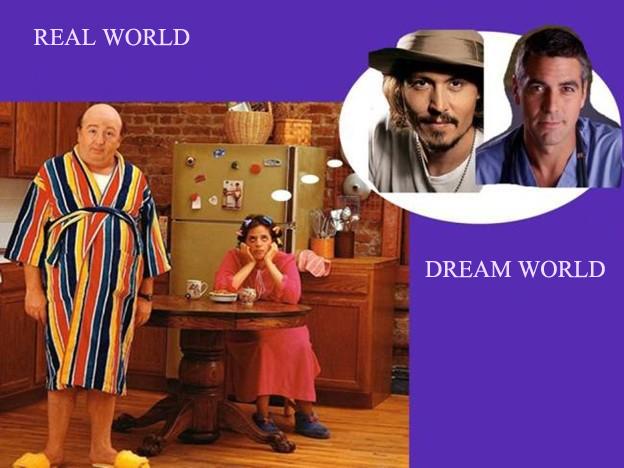
  • When Life is not what you Dreamed

    @Deborah Hill

    When Life Isn’t What You Dreamed: How to Reconnect with Your True Needs and Wants

    Deborah Hill LCSW (Ret.)

    (3-minute read)

    At some point, nearly everyone looks back on life and wonders, How did I get here?
    What happened to the dreams, the plans, the “could have beens” and “should have beens”?

    The answer is simple to say—but often hard to accept:
    For the most part, we made choices that brought us to where we are now.

    That’s not to say we chose the traumas, losses, or catastrophes that blindsided us. No one chooses to be hurt, abused, abandoned, or thrown into crisis. But the choices we make afterward—the way we respond, the paths we follow—those decisions shape our journey.

    And when our choices take us further from the dreams we once had, we start to feel unbalanced, unsatisfied, or even angry.


    Why Do We Make the Choices We Do?

    Most of us choose what we think is best at the time. A child throws a tantrum to get candy, believing it will work. An adult gives the silent treatment over forgotten flowers, hoping to “teach a lesson” and feel valued next time.

    Sometimes we make reactive choices. Other times, we simply lack the information or emotional tools to choose differently.

    Take the example of a teen from a broken home who joins a gang. From the outside, it’s clearly not in his best interest. But with the limited knowledge and options he sees, it’s the closest thing to a family—offering belonging, respect, and protection.


    The “Quality World” We All Carry

    As we grow, we create a personal picture of what our ideal life looks like—our Quality World. In this internal landscape, all our needs and wants are met. We feel safe, loved, successful, joyful.

    Ideally, we spend our lives making choices that move us closer to that picture. But if we don’t fully understand our needs and wants—or the options available to us—we may veer off course.

    And here’s the truth:
    Your ideal picture is probably a fantasy. But beneath that fantasy lies something very real—your core needs and desires.


    A Practical Example

    Let’s say your Quality World includes owning a Maserati. But in reality, you’re driving a rusty old Ford.

    You probably can’t buy the Maserati—but ask yourself why you want it.
    Maybe it symbolizes success, admiration, adventure, freedom.
    Maybe what you really want is to feel noticed, valued, alive.

    When we understand the why beneath the fantasy, we can start finding real-world ways to fulfill those needs—without waiting on an impossible dream.


    How to Align Your Life with What You Truly Need

    Step 1: Discover the “why” behind your fantasy.
    Use your imagination. If there were no limits—what would your life look like? What does that dream say about what you truly want?
    (Example: “I want to be on a football team” → “I want belonging, excitement, shared purpose.”)

    Step 2: Explore realistic substitutes.
    You may not become a surgeon—but can you volunteer with the Red Cross? Become a first aid officer? Help people in ways that still honor your deeper needs?

    Step 3: Examine your current choices.
    Are they aligned with your needs and wants—or taking you further away from them?

    Step 4: (Corrected numbering)
    Take small steps toward a better fit.
    Set short- and long-term goals. Think of these goals as your rudders—they help steer your ship, even when waters are rough.

    Step 5: Evaluate regularly.
    Ask yourself:

    • What do I truly want and need?
    • What am I doing to get it?
    • Is it working?
    • What could I do differently?

    Final Thoughts

    You may never have the exact life you imagined—but you can build a life that meets your real needs, a life that feels meaningful, grounded, and authentic.

    It’s never too late to rewrite your story, one intentional choice at a time.

  • The Show Must Go On: Children Using Perfectionism & Performance to Cope with Trauma (Revised 2025)

    The Show Must Go On: Children Using Perfectionism & Performance to Cope with Trauma.

    by: Deborah Hill LCSW (Ret.)

    Anna, age four, and Michael, age two (children’s names and ages were changed), were found in their home surrounded by blood and the dead bodies of their parents. At first, everyone understood the devastation these children experienced. Then there came a point where the notoriety wore off, and they were expected to act and feel like they behaved before—only they didn’t. They became super-kids—children who use perfection and performance to cope with trauma.

    (I need to make two caveats. Trauma can be from a messy divorce, a close death in the family, or severe illness of the child or a parent, or a terrible car accident. The list can go on and on.  The second, not everyone who becomes a performer or perfectionist has trauma in their background.)

    Super-kids are children who try to be overly helpful, compliant, or high-achieving to avoid upsetting someone, attempt to gain control of a situation, or feel safe and valued. They tend to take on adult roles or act older than their age, often described as having an old soul. They hide their emotions, appearing fine when inside they are struggling.

    How does using perfectionism and performing help the child cope?

     1. It offers control in a chaotic world, rather than feeling helpless.

    2. In many environments, love and safety feel conditional. A child may learn that being good, impressive, or entertaining earns approval or protection.

    3. Performance and perfectionism can provide a powerful distraction from pain.

    4. Instead of feeling inherently unworthy, they learn to find value in performance. 

    5. They give the impression that the child can prevent anything from going wrong by staying ahead of the potential threat.

    6. They give the child the feeling that they can control how others perceive them.

    I want to emphasize that a child does not consciously choose which skills are necessary to survive. And the behaviors may not initially appear to be performance or perfection coping skills.

    What a child wants is to feel safe, protected, and loved. They will do what they need to do, be it perfectionism or performance, to achieve that. The super-kid, is the one nobody expects to be ravaged with internal turmoil.

    Important note: Trauma affects each child differently based on age, personality, support system, and type/duration of trauma. One child might act out aggressively; another might become extremely quiet and withdrawn. All trauma responses are adaptations—they made sense at the time the trauma occurred.

    References for this blog:

    Bessel van der Kolk, The Body Keeps the Score, Diane Poole Heller, The Power of Attachment, Richard C. Schwartz, No Bad Parts, Pete Walker, Complex PTSD: From Surviving to Thriving, Judith Herman, Trauma and Recovery