A Day in the Life: Finding Stillness in a World on Hyper-Speed Estimated Reading Time: 5–6 minutes
By: Deborah Hill LCSW (Ret.)
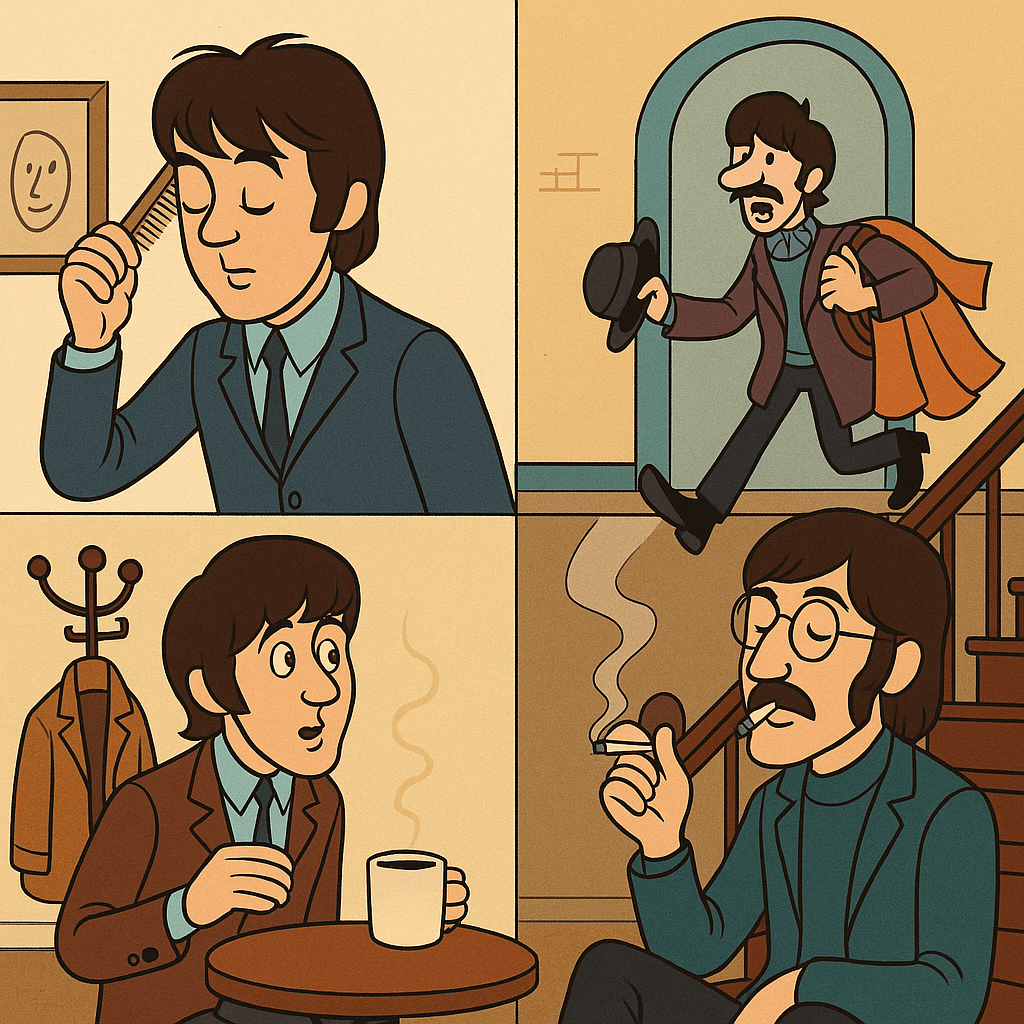
Found my coat and grabbed my hat, Made the bus in seconds flat. — The Beatles, “A Day in the Life”
Even in 1967, Lennon and McCartney captured the frantic pulse of modern life. If that was fast forward, today we live in hyper-speed.
People are burning out. Relationships are strained. Families falter. And for some, their most consistent companion is a phone, tablet, or video game.
As a therapist, I’m often asked how to navigate this constant rush—too many responsibilities, too many places to be, and never enough time. Any crisis or transition throws the entire system into chaos. The answer I offer, tailored slightly per person, always returns to the same foundation. It’s simple to say—but practicing it is where the shift begins.
Pay Attention. Be Aware. Have Acceptance, Be Mindful.
Pay attention—to you. What are you doing and why? What drives your schedule, your responsibilities, your pace? Are you someone who can’t say no? Are you trying to impress someone—a parent, a boss, a partner? Are you afraid of what will happen if you slow down? Are you overcompensating for something, giving your kids everything you didn’t have, believing more is better?
What drives you? What behaviors are rooted in that drive? Are they healthy—or are they draining the life out of you?
Be aware. Notice the patterns that keep failing you. Staying up too late and feeling terrible in the morning? Grabbing a double espresso and then snapping at your coworkers? Signing your kids up for everything and ending up exhausted in a carpool circuit? Maybe you’re a creative soul forcing yourself into a rigid, linear mold without the tools to cope.
We all have mindless behaviors—habits that keep us spinning. Take a few quiet moments each day. You don’t need an hour. Just enough to notice what you do on autopilot. Ask yourself: Is there a better way?
And then, own your thoughts, your choices, your life. Blaming someone else for your reactions only prolongs the cycle. Your inner world belongs to you.
Have acceptance. This is your life, as it is today. Maybe it’s messy. Maybe it’s far from what you planned. But it’s yours.
Even if tragedy or trauma shaped it, what you do with that shape is up to you. Accept the parts you cannot change. Let go of gossip, comparison, chronic complaining—none of these lighten the load. They only muddy the mind.
Drop the self-judgment. Words like should, must, bad, stupid, failure—they weigh more than you think. They don’t motivate, they demoralize. When something isn’t working, accept it. Then do what you can with what you have, right now. This moment is all you’re guaranteed.
Angry at the driver going slow in front of you? That’s your problem, not theirs. Maybe your own rush caused the tight squeeze in the first place. Breathe. Let it go.
Be mindful, not mindless. Find meaning in small things. Even in hardship, there’s often one thing worth noticing—worth being present for.
Take five minutes today. Sit somewhere quiet—preferably in nature. Listen. Smell. Feel. See. Let stillness enter the storm. Know that peace is available, but it begins within.
Ask yourself: What do I truly want? Is there a gap between that and what I’m doing? Then, gently begin to close the gap.
This is your life. No one else can live it. Own it. Shape it. Live it.
(If you are having life concerns and need help, I suggest you find a therapist in your area to help)
Have you ever wondered if people in developing countries spend time dreaming about “something better”? Or is this constant questioning—this hunger for more—a distinctly Western habit, born of comfort, choice, and relentless comparison?
I first learned to long for something more when I saw Cinderella as a child. The girl in rags, waiting to be rescued from misery, dreaming of a love that would change everything. Or Casper—the lonely ghost who just wanted to be accepted and loved. If I really thought about it, I could name a hundred stories with the same core message: there must be something better out there.
But how do we decide when “what we have” isn’t enough? In my work as a therapist, I’ve seen people thrive in hardship and suffer in abundance. It seems happiness isn’t about circumstances—it’s about mindset.
We hear sayings like, “When life gives you lemons, make lemonade.” But what if you don’t want lemonade? What if you want mangoes or chocolate cake or something no one ever offered you? Is the quest for more a refusal to settle—or an inability to accept?
Maybe it’s not about choosing between reaching for more and embracing what is. Maybe the real trick is balancing both.
I’ve met people living with far fewer material resources—like in North Africa or Haiti—who radiate joy. Is that joy selective, performative, or real? Maybe they’ve learned to be content while still holding hope. Maybe they’ve mastered the paradox that trips so many of us up.
Because the truth is, some people will always chase “what’s next,” and others will find deep satisfaction in the present. The happiest lives may not be the ones that had the most—but the ones that struck a balance between striving and surrender.
So if you’ve ever been told, Sorry, the life you wanted is out of stock, you still have choices. You can keep hoping, keep growing. You can pour your dreams into the life you already have. Maybe that’s not settling. Maybe that’s the truest form of freedom.
It’s Friday morning, exactly one week from my uncle’s funeral. Family is headed back to Florida and for the first time since the death, the house is quiet and the stillness overpowering.
It’s a surreal morning. I had set the alarm on my cell phone for a seven o’clock wake up but forgot to turn up the volume. I hear pounding on the door and shoot out of bed confused.
“We need to leave in ten minutes!” My daughter yells through the door. This morning is the first in a series of physical therapy appointments she has, post-back surgery. “We can stop at Dunkin’ Donuts on the way. They have great breakfasts and awesome coffee.” This is a dig against her brother, my son who lives and breathes Starbucks.
I brush my teeth; throw on some clothes and stumble, still half-asleep into the hallway. She is standing by the front door with my purse in one hand and my keys in the other. I find my shoes and struggle to get them on my feet. She ushers me out the door.
We get into my mini-van and I’m seated in the driver’s seat. A revelation hits me, I’m awake and going somewhere. I slap my face a time of two and turn up the radio. Something has to wake me up. I’m driving for goodness sake!
“Dunkin’ Donuts is right around the corner. You can get a large coffee,” daughter tells me.
Before her surgery, my daughter was a three times a week Dunkin’ Donuts regular. We enter the coffee shop. She waves at the staff and rattles off what she calls her regular order. The counter person puts this into the register and looks at me.
I don’t have a clue what I want. Daughter and counter person spit out several adjectives describing food and beverage choices; eggs with bacon and toast, no toast, no egg, cheese, no cheese, bagels, coffee, iced, hot, latte, espresso, creamer, no creamer, mocha, mint, raspberry.
“Well?” Daughter asks.
I think I heard one of them say coffee, hot. I remember, the other day after daughter’s post neurology appointment we stopped at Sheetz, a regional gas, restaurant, and convenience store for coffee. That coffee, ordered for me by daughter, I really liked. “What was that?” I ask her.
“Iced, white-chocolate, raspberry with soy creamer,” daughter replies but for some reason I can’t wrap my head around all the words.
“Raspberry, chocolate,” I say. Miraculously, a breakfast and hot drink are handed to me and we head back to the car. I drop daughter at physical therapy and head back home.
Walking in the front door, I smell something dead and rotting. I check for the dog and cat. They are both accounted for and alive. Down on my hands and knees, I sniff the carpet, the couches and the afghans. Everything smells like it is supposed to. I’m stumped and tell myself I’ll deal with it later.
It’s been two weeks since I opened my mail or answered my business phone. Life literally has been at a stand-still. I leave the smell of the living room and head upstairs to my office. It’s a business disaster. Piles of paper and files have shifted around so many times in making room for extra, visiting family that I no longer know where anything is located.
I fire up the computer and find over three-hundred e-mails needing my attention. My office phone is blinking, ten missed messages. I’m so overwhelmed and exhausted I don’t know where to start or how to prioritize. This is grief and stress, I tell myself.
I sit in my office chair, close my eyes and do some deep breathing. I tell myself an altered mantra I learned at an acupressure seminar months ago. I have all the energy I need. My body is taking in the energy around me, re-filling where I am depleted. I refuse to let things or people take away my power or energy.
I open my eyes and see five minutes have gone by. That’s okay; I feel refreshed and know what direction to take with the clutter. The dog and cat get into a spit and I need to intervene. I can feel my energy draining and have to fall onto my office couch before I collapse. So much for the mantra working, I tell myself and cry.
Cried out, I lay there watching spider-webbing cracks in the ceiling paint. The house is so quiet. I didn’t realize how much the family being all-together helped keep each of us afloat through the past two weeks. I push myself to go back downstairs; I’ll deal with the office chaos later. I quickly move past the smell of death in the living room and back to the bedroom.
There are several beds we’d assembled for extended family. I decide there’s no time like the present to strip the sheets and start reversing the process I started two weeks ago. The beds come apart fairly easily and I’ve stowed them, for now, in the dining room next to the left-over paper plates, cups, napkins and plastic ware from the post-funeral get-together. I can’t deal with the things in this room right now. I’ll get to it later.
I have enough time to shower before returning to pick up my daughter. I grab some clothes from the laundry basket in the living room still waiting to be put away. What the hell is causing that smell?
I shower, pick up my daughter and head home. “There’s a smell,” I tell her. “When I open the front door, find it.”
We open the door and the smell is obnoxious. Again, I get on my hands and knees and feel more like a police dog looking for illegal contraband.
“This would be a good time for a picture,” daughter says. “Did you smell the fireplace? The other day we heard birds in there.”
Birds: Our chimney does not have an enclosed top. Every year starlings nest on top of our flue. When the eggs hatch, we have our own bird sanctuary. We can hear the parents fluttering up and down the chimney, baby birds chirping, singing and screeching. We can tell when a parent bird is bringing food back to the nest by the excitement coming from the behind the bricks. Eventually, the babies learn to fly and everything goes quiet until next spring. I don’t know why there would be a dead bird in our chimney in July.
I lean in the direction of the fireplace and don’t have to go any further. Sh-t, it is a dead bird in the fireplace above the flue. I open and close the flue several times hoping the bird body will fall and I can dispose it. Nothing happens.
A crazy thought, maybe I can smoke or incinerate the body with a fire. Okay, I know its July, but it is cool enough outside that I can turn off the air conditioner. I open the flue, turn off the air and toss a Duraflame log in the fireplace and set it ablaze.
My daughter and I sit on couches watching the dancing flames and my son comes in to join us.
“Reminds me of camping,” he says.
“Reminds me of my step-mom raising and killing her own chickens for food,” daughter replies.
“They’re making a new product called Soylent,” my son says. “It has all the nutrition anyone needs. Soon we won’t have to worry about food.”
Conversation lulls with the flames and both kids leave the room to live their lives. I’m alone with the cat nestled up beside me. The Duraflame log is half its original size but continues to deliver a calliope of blue, green, yellow and orange flames. The house is so quiet.
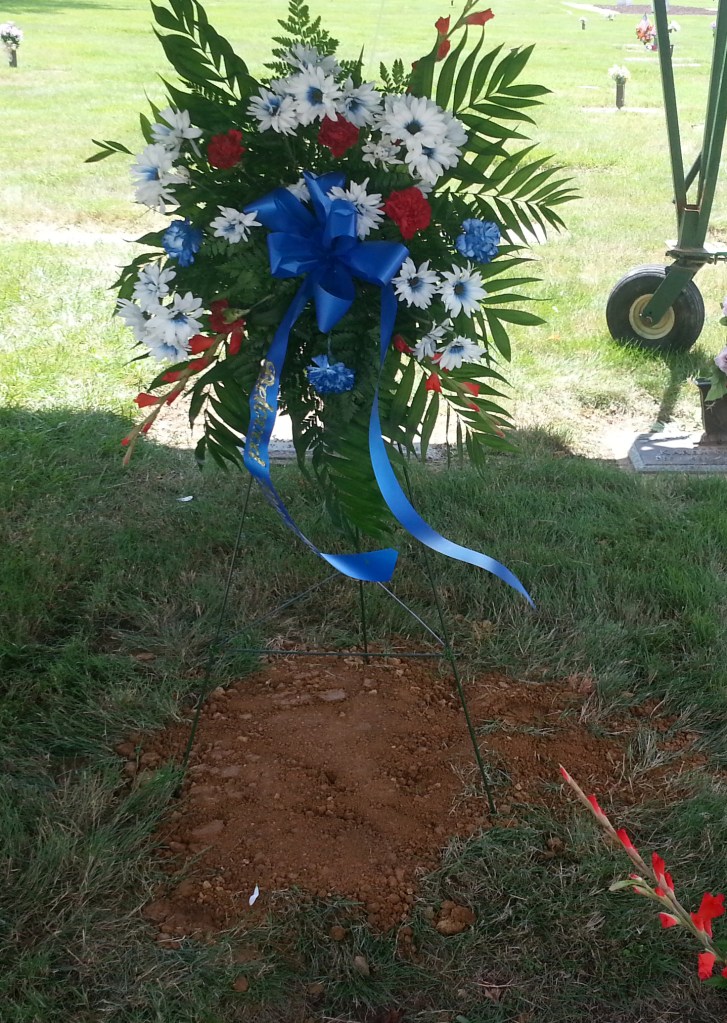
I realize what I’m really doing is cremating the bird and flash back two weeks ago. Corner’s reports, probable causes of death, cremation and internment paperwork, planning a get-together for everyone post funeral, setting up beds, buying and making food for everyone, military send-off with Taps and a tri-folded flag while we stare at Uncle’s portrait and the urn containing his ashes. It was almost one-hundred degrees that day and with high humidity. Everyone was drenched in a mixture of sweat and tears.
The fire is nearly out now. I don’t smell death anymore but it’s all around me. Every room in my house has at least a small remnant of the past two weeks. I can walk here or there and hear snippets of conversations between family members. I can smell the scent of various shampoos and soaps everyone used. My brother left some cigarette butts behind on the front porch. My mom left her ice pack in the freezer. Aunt Mary left her socks and my dad forgot his belated father’s day card. My uncle’s picture is on the mantel of my fireplace. He is smiling.
Maybe, death is not all around me but snippets of life. Sure, my alarm didn’t wake me up but I got up. I got to see my daughter blossom, knowing she is finally getting well enough to join society. Her car which has been dead since surgery, is going to be fixed free of charge. The smell in the chimney is gone and the method I used got two of my kids together for a nice conversation. I have remnants of the past two weeks all over my house but I got two weeks with people I love more than anything. We had a death to attend to, but in his passing, I reconnected with very close cousins I lost touch with over the years. We laughed, smiled, sang, told jokes and reminisced about my uncle and our entire family. I had expected people to stay maybe two hours at the get-together. Most stayed at least five.
My house is very quiet and I’m crying. But I realize, this is not the ending. This is just the beginning of a new chapter for all of us. I should- will embrace finding the how and where we go from here.
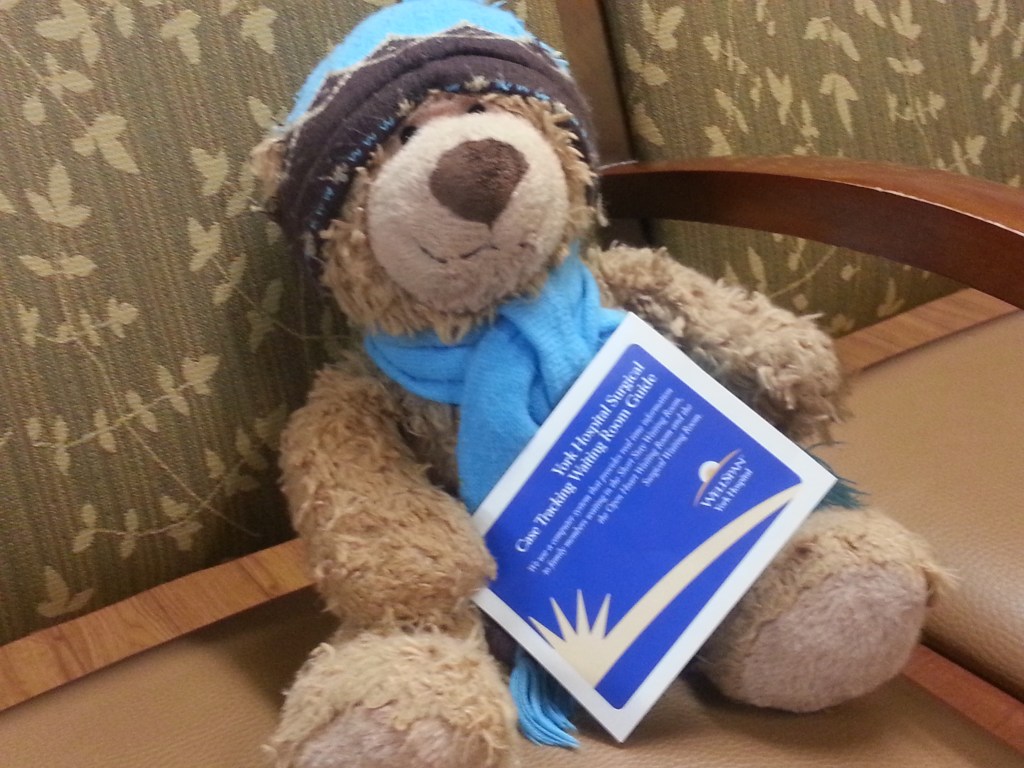
Its 11:11, an hour and ten minutes into my daughter’s five hour spine surgery. I’m sitting with her fiancé, a menagerie of electronic devices to keep me entertained and a fully charged cell phone.
I’m on level 33 in the game Candy Crush and fiancé is on level 65, not that it’s a competition. Steve Harvey is on the television chattering away about Jack Russell Terriers. I have one of those. Chicken-dog we call him due to his un-bounding ability to find the most minuscule piece of chicken bone from the trash. No one in the room seems to notice the television exists. No one cares that I have a chicken-dog at home or why I’m sitting in this artificial environment called a waiting room. I however, cannot say the same about my feelings toward the other people in the room.
I hear snippets of conversations, small windows into the lives of others, small dramas in adult human packages. She did well, you can go back; He had problems and will be in recovery another hour; I’ve been here all night and I got a parking ticket; I’m sorry, we need to talk to you in private. Things didn’t go as expected. This is what I am currently calling my reality.
I’ve heard that word in different contexts lately making me wonder, what is reality?
Outside the hospital walls, people continue to rush around grabbing coffee, the latest news, the morning dead-lock on I-83, pushing their kids onto school buses. In here I sit and wonder why it’s taking me so many attempts to get past level 33 in Candy Crush and what fiancé knows that I don’t. Its easier then thinking that the woman I once spent forty-two hours giving birth to is lying on a table being flayed by a man I’ve met only once.
Okay, maybe flayed is not the most accurate word. No correct that, this is what I feel, so it is the exact word for my current reality. What is reality? How can my reality consist of one way of life and the next day be completely alien from the day before? Are they the same? Is my reality the same as someone in a country where there is no electricity and my daily existence is spent finding food and fresh water?
My first inclination is to say, no, they are not the same reality. How can they be? When I think about the veterans returning home after active duty, I think the same thing. How do they wrap their heads around the life they lived overseas in war zones too returning home to, hey, the neighbor cut the hedge too short? Do something about that.
My second inclination is to say; yes it is the same reality, only different facets. As quantum physics contemplates the ramifications of string theory, (alternate dimensions in time and space) I think I’ll view reality as a large, loosely woven textile. Twisted, strands of cotton into yarn blended together and the fibers criss-crossing, under and over each other. You pull one string and the whole thing wobbles or comes undone.
There is a large family in the hallway outside the trauma intensive care ward. From their faces I can tell they are sitting on the edge of threads coming undone if not completely ripped. I make eye contact with their pleading, empty eyes. I can almost hear the word, why, from their minds. Why did this thread have to snag or be cut? I don’t have an answer.
It’s surreal to see. Daughter’s fiancé and I are walking down the hallway toward the hospital cafeteria. He’s talking about a stock car race and the amount of hours they give him at work. I am flashing back to when I was in the trauma intensive care ward down at Shock Trauma in Baltimore. I can smell the alcohol and hear the doctors and nurses talking as they filleted me open to save my life. I never lost consciousness till the end.
Daughter’s fiancé does not know my reality just sharply changed course on that textile of life. Nor do I think he caught how close we both just walked around another reality sharply snagged and unraveling as we passed that family in the hallway. A chill goes down my own spine. My spine, intact, closed within the confines of my muscles and skin. I flash to my daughter lying there in surgery.
Do you think a doctor ever left a tool or cotton wad in someone, I hear someone say while in the cafeteria line. I’m trying to decide on a nice, healthy fish or a piece of cake. I pick up the cake and another cup of really bad coffee. I know medical issues like these happen more times than we might want to think about. After all, we are only human. All on that same piece of fabric that twists and turns under our feet.
If a surgeon is having a fight with his spouse or had a minor accident on the way to work, do they take that energy into the operating room? Do they get as scatter-brained as I do when things knock me off my routine? If I were surgeon, on days like that, I’d lose my scalpel in someone for sure.
I can’t handle thoughts like that right now. I grab a second piece of cake in case the first piece is not enough comfort food. I notice fiancé has grabbed three times his normal amount of food for lunch. Nerves, I tell myself. Maybe, he is closer to the unraveled part of the textile then I think.
Do any of us really know where in reality we are? I don’t have any answers to this either. This cake is really moist; I wonder if they bake it here?
The nurse tells us my daughter came through surgery well. I sigh in relief. My section of the textile is still raveled and I’m pretty sure the surgeon still has his scalpel. Not a bad day overall.
I’m at the Wal-Mart waiting for prescriptions and decided this would be a great opportunity to pick up father’s day cards. The Wal-Mart in my area has two rows of cards about fifteen feet long devoted to father’s day. The store is not crowded and I have the entire father’s day card ensemble at my viewing pleasure.
Picking out a card for my dad was a breeze. He’s the sentimental type and I easily found a card depicting a little blonde haired girl smiling and laughing with her dad. Ah, I thought, boy does that bring back memories. If it brings a tear to my eye, which it did, I knew it would get him too. I put it in my cart.
Then there is my hubby who can be described in many ways, but sentimental and romantic are not among them. I don’t know if it was genetics, environment or he just likes to hide his softer, mushy sentimental bent, but he is more like Sheldon Cooper (Big Bank Theory) then Romeo (Romeo and Juliet). Sentimental father’s day cards are not an option.
I have a choice. I can get him a card about drinking beer, being lazy, forgetful, being over occupied with cars or sports, being in the bathroom too long, reading in the bathroom, staying in bed with a beer, over-eating or farting. There are eight different cards about father’s farting. Four cards on being in the bathroom. Three cards on offering new and improved reading material for being in the bathroom. This would combine being in the bathroom too long and reading in the bathroom. In case you are keeping track.
There are a couple cards for older kids to give their fathers. Things like, you embarrass me, I’m just as moronic as you, give me money, where are the keys to the car. I have to add that in the pre-school – kindergarten age cards for fathers are; I love you, you play with me, you take care of me, things like this.
My question is, what the hell happened from I love you to Happy Farters Day? Granted, I’m not in the Hallmark store. I’m in Wal-Mart. Does that make a difference? If I was on the east side of town would I find less fart and toilet related father’s day cards and more, thanks for going fishing with me cards, you taught me lots? With the card picture showing two guys in a boat, one younger than the other, all tangled up in a fishing net.
My hubby has said on numerous occasions that men, especially white, middle class men, are one of the only populations of people where it is acceptable to berate, tease and stereotype. He uses American television shows as his evidential media trail to prove his point.
I think about this as I’m standing in the card aisle trying to force some of these cards to change so I can find something suitable. You know, humorous but intelligent and with style. My magic genie is not working. I find another toilet card depicting a gorilla on the toilet reading the newspaper. Really?
I’ve been standing in this aisle for twenty minutes and it’s obvious nothing is going to change. So, I’m going to find a somewhat acceptable, humorous father’s day card, cross out what does not apply and with sharpie in hand, make it fit. I search again for the ultimate card and come up empty handed.
Is it that our stereotyping of fathers is so out-of-hand that no one can remember what their dad is (was) really like? Why stereotype fathers with the attributes of dysfunctionality and think it’s funny? Is this really what our current society feels about fathers or men? Maybe, hubby is right. Maybe this is another evidential trail.
Has the role of father changed that much in main-stream America that we resort to fart and toilet cards to express our hostility? As a social worker, I know that the percentage of fatherless families is staggering. The last statistic I saw was fifteen million children live in a household without a father. (The Washington Post) In Baltimore, where I am from, 38% of children live in fatherless homes. The domino effect is horrendous for children and society. The numbers continue to rise.
Is this the reason I can’t find a decent father’s day card? Will there come a day when we won’t have father’s day? Maybe the people who wish to express honor and appreciation for their fathers are declining. If this is the trend and it continues, there will be no need for a day to celebrate and honor half of the genetic gene pool that brought all of us here.
Maybe it’s the type of humor involved. I accept that. There are too many degrading, hello, I’m a dysfunctional dad and it’s my day, cards verses I’m a great dad, not perfect but I love you and you know it cards. There is no balance, at least not in these aisles.
So what’s with happy farters day? Lack of responsible dads, lack of respect for dads, a disconnect between who dad’s are and how they relate to their families? Or is it something I haven’t thought of?
My hubby does not like sports so that cuts out about an eighth of the selection. He does not drink and that cuts out a fourth. I’ll be damned if I’m going to give him anything that has to do with bodily functioning to celebrate his fatherhood. That cuts out another half. The last percentages are the sentimental and pre-school cards. Where this does led me?
I bought hubby a birthday card. I have a sharpie at home. Maybe, this is a sign I need to go into the greeting card industry. I certainly can’t do any worse then what I’ve seen today.
So if you are a father and you get a father’s day card that does not have drinking, laziness, or jokes about bodily functions, give your family an extra hug. They obviously went the extra mile to find that special card just for you. Happy up and coming father’s day!
I’ve been asked if there are any axioms I use to ground me when life tries to blow me away. Yes, there are. I use the below axioms all the time when life is sunny. When life gets blustery, I sometimes have to remind myself that they exist. If I remember and fall back on these axioms, things always turn out for the best. It might not be the best I would have wanted, but I find myself relatively unscathed or able to bounce back quickly. Kind of like the wizard in the Oz, The Great and Powerful or another well known film, The Wizard of Oz.
Restlesswanderer61’s axioms for surviving and thriving:
1. The only person I can change is me.
2. No matter what life hands me, ultimately I choose how it effects me long term.
3. Everyone has the same basic needs, only in different degrees. Love people including myself, even the ones hardest to love.
4. Everyone’s behavior is purposeful. They are the best choices I use or have used (whether healthy or regrettable, knowingly or subconsciously) to find balance. Don’t judge others or myself.
5. I am energy at my deepest level and a spiritual being that can connect with anyone and is only limited to the constraints I place around me. Even if I doubt or don’t believe, I can’t be disconnected from the creator or all of creation. It is no more possible then living without taking in oxygen.
6. My brain is a creative and amazing devise. I will strive to develop what is not and prevent my thoughts from running amok.
7. People have the most amazing resilience and overcome the incredible horrors. So do I.
8. I am not perfect and never will be. There is no such thing as perfect.
9. The answers to my problems will ultimately come from me even if I can’t see them currently.
10. I have an amazing talent and gift, even when I don’t think so. Everyone has a talent or gift to be tapped to fulfill themselves and the world around them. Let others shine, take the back seat and clap thunderously at other’s accomplishments no matter how big or small whether I know them or not.
11. Never lose my childlike wonder, imagination and desire for play.
12. Resistance to issues is futile. Deal with it, don’t repress or pretend it does not exist.
13. It’s okay to reach beyond my comfort zone. In fact, I will grow from doing so.
14. Strike a balance between being self-absorbed and other-focused.
15. There is usually no such thing as the no win scenario. It’s only how to win and what “to win” really means.
16. I don’t have to be correct all the time. Pick my disagreements for when it really matters and let the rest go.
17. Everyone has baggage and crap. Mine is no better or worse than someone else’s, only different. Accept it.
18. Treat others the way I want them to treat me, even if they don’t.
19. Unless I have no food, shelter or loved ones, I have nothing to seriously complain about. My life is fine, no matter what is happening. Be grateful for every person, everything I have and everything that happens to me.
20. Be amazed by little things, joyful, laugh often and hard.
21. I can make a difference in everyone’s life I meet. Even if it is a small one.
22. Have patience. There is a reason things or people are as they are. Watch it unfold and learn.
23. Dream big, make goals, explore, learn and strive to make those dreams a reality.
24. Be proactive not reactive. This is my life, the only one I have, don’t get to the end and have regrets. Make each moment count.
Do you have a list of axioms you follow? If you don’t or are not sure, it might be something to think about. If you have a code you follow that is true, there is no telling the wonderful places it will take you. You are your best and worst enemy. Find balance and find peace not only in times of sun but when the tornado’s in life blows your balloon off course.
I went to the Goodwill store looking for a lamp to re-purpose. I really enjoy combing through flea-markets and second-hand shops to find elements of objects discarded to make something new. Something I create to be meaningful or purposeful to me.
I found a lamp, bought it. That afternoon I water colored the shade in hues of green. I realized, this object transformation was symbolic of my life and what I help others do – Re-purpose their lives. Life will always give reasons to step back and ask questions like: What the hell just happened? Why did this happen to me? What am I going to do now? Who am I as a result of this? Re-purposing helps bring answers to those questions.
My journey with Post Traumatic Stress (PTSD) catapulted me into demanding answers to those questions. I didn’t think I could function without them. Luckily, a person does not have to endure severe traumas demanding immediate attention. Anyone can have a desire, a spark to find their authentic self and live a fuller, happier, more balanced life.
People change slowly over time being enhanced or torn down by life’s challenges. Most appear to view this change as outside themselves. They don’t care or they fear looking inward and asking the hard questions. Finding the answers and stepping out into the great unknown. They accept life as it is. The result is often bitterness, anger and depression. This does not have to be. Life happens, yes, but what you do with it makes all the difference in the world – your world.
Re-purposing takes time and usually happens in stages. As a person learns more about them self and the universe around them, there is an aha moment. My experience is that this is followed by a stewing process. The mind soaks in the information and applies it to everything it knows. The person acts on their new awareness and then it hits.
New questions arise! Well, if that’s true, then what about this situation? Why did I act that way when I could have done this? What else have I believed about life that suddenly is not true? What is truth? The questions become less about the person and more about the world, the universe and the spiritual.
It might be helpful to look at the journey in terms of cooking or food. At first, it probably seems similar to peeling off layers of an onion. I picked onion because pealing an onion can bring tears and at times not very pleasant. Thoughts and memories, who we have become over time has built around our core like the layers surrounding the core of the onion. The larger the onion, the more changes, adaptations or layers a person has developed.
There should come a time when a person can see beyond the onion metaphor and see layers as welcome opportunities for re-purposing, bringing enrichment to their lives. Life’s journey now becomes more like layers of string cheese, baklava, lasagna, or some other pleasant concoction you can think of. Not as threatening or uncomfortable if done in moderation. It is good to note, that even with pleasant or desired elements of change, too much too soon can cause distress. I really would not recommend sitting down and eating en entire family size lasagna! All things should be done in moderation, which includes re-purposing.
After a while, the person may no longer find total enrichment and the questions asked of the self changes again. Using the cooking metaphor, questions might revolve around the concern, how can I improve on this recipe? The types of questions are as vast as the grains of rice in a box of Minute Rice.
Re-purposing time varies from person to person. Some only strive for feeling slightly better, like putting on a band-aid and waiting. Others, like me, spend a lifetime joyfully exploring, learning and becoming. At this point in my journey, the questions are no longer the ones stated above. Some of my current questions are: Where do I go from here? What does this say about me? How can I turn this into something good for myself and others?
My lamp is now painted, trimmed and assembled. Another human-made element re-purposed for a new beginning, a new life. Aren’t all our experiences in some way, human-made? It’s up to us to do the re-purposing to make our lives the best they can be.
I offer a challenge to you. Start re-purposing your life. The results are worth the journey. Below I offer some first steps to get you started. If you would like some help, you can check out my e-mail counseling/coaching services. If you are in the area, make an appointment or attend a class. Have a great journey!
First Steps to Start Re-purposing Your Life:
1. Get a notebook or journal.
2. List as many qualities about yourself as you can think of. Ask others for their impute. What do you think/feel about your list?
3. List things, people or events where you feel/felt: 1) happy: 2) accomplished: 3) loved: 4) experienced freedom: 5) had fun. Are there any areas where you had a hard time listing things? Some needs that you are falling short in having fulfilled?
4. What movies, characters, TV shows, music, artists, books do you relate to? Why?
5. Make a timeline of your life – the goods, bads, neutrals, accomplishments, regrets. Why did you label these in the categories you placed them? Example: Why is difficulty in 3rd grade math a good thing?
6. Answer the statement: If I had a magic wand, my life would look like… (be specific). Why would you want the elements you picked?
7. List and evaluate areas of your life where you feel out of balance or unhappy. Why do feel this way about this area? (Try to be inward focused and not “because he made me…”)
8. Ask yourself, what role do you play in number 7? We always play a role, even if it is not doing anything.
9. Continue to ask yourself, what do I really want? (see my blog, Life’s Little Instruction Manual, Healthy Relationships Part 4)
10. Review everything you have written. See if you are starting to understand who you really are, how you got here, the role you play, and where your life is unbalanced. You can’t formulate any goals on making improvements without this base-level structure.
Congratulations on taking the first steps in re-purposing your life. Job well done! Drop me a comment and let me know how it’s going!
The universe keeps telling me to slow down—loudly and often. Apparently, I have short-term memory loss.
This morning started with a doable to-do list. That lasted about 30 seconds. I noticed a water stain on the wall, which reminded me the upstairs needs painting. Since I’m turning that space into an office, it suddenly felt urgent. And that’s when it all unraveled.
7:30 a.m. “Okay, that wall… and that one… and wow, the ceiling? What mood am I going for? Time for a paint color deep-dive!”
9:00 a.m. Two hours later, I’ve selected nothing but somehow watched a YouTube video on belly fat and found myself planning a trip to Lowe’s.
10:30 a.m. In Lowe’s, I get overwhelmed by paint options. Do I want satin or semi-gloss? Quart or gallon? Also, how did I end up in the garden section eyeing Lily of the Valley bulbs?
11:30 a.m. Back home with paint and leftover pizza in the microwave, I head out to the garage to get the roller. Instead, I spot the half-dug hole for a future fish pond and—naturally—start rototilling.
11:45 a.m. I hit a rock, grab a trowel, and find myself digging with archaeological precision (old habits die hard). I find a marble. Then six more.
Clearly, someone lost their marbles, and I wonder if it’s me.
12:15 p.m. The rototiller hits steel wire and wraps around the axle. I flip the machine over and head to the basement for WD-40, dragging dirt through the kitchen.
There, I realize I forgot to switch the laundry.
12:25 p.m. Back outside, staring at the broken machine, I finally get it: This is one of those “slow your roll” moments from the universe. So naturally, I decide to blog about it.
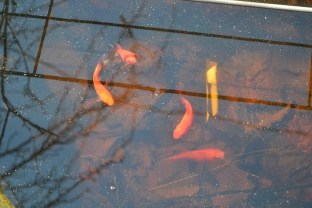
I grab my camera to document the chaos and end up taking pictures of the fish instead. They’re the real reason I came outside, after all. They survived the winter in an above-ground pond—the least I can do is give them a moment on the internet.
Sure, getting only three hours of sleep probably didn’t help this morning’s misadventure. But if I’m honest, I’ve done this well-rested too.
So now I’m making coffee. I’ll take it slow. I still have the afternoon to get something done.
Maybe I’ll paint. Or maybe I’ll finally eat that pizza still waiting in the microwave.
The oh sh-t moment when life goes from wonderful to dread and we have to act fast. We all have them. Sometimes we handle the situation well and other times, well, we ponder for decades what we could have done differently. Can a person truly be prepared for those problematic moments?
We are all basically hard wired the same way. Note the word basically. It is rare in life when things are one-hundred percent. There are four things we are programmed to do in emergencies. They are flee, fight, freeze or flop. Pretty easy to understand. To flee is to run away from the situation. To fight is to attack the situation head-on. To freeze is to become paralyzed and not able to do much of anything. To flop is to faint.
Which of these tactics a person picks may be the same in all emergencies or can change depending on the circumstances. A woman who suddenly has the strength to lift a car off her child (to fight), might not attack an intruder inside her home. Can we know in advance which behavior we will chose?
Hard to say. The military trains our troops by using repetition. Instilling into them, this is what you do in the following situation. The lives of these people depend upon it. Firefighters, police officers and all other careers where lives are at stake do the same thing. But even then not everyone is able to follow that programming when needed. Why not?
It comes back to all our past experiences. Those experiences become chemical memories in our brains. When a situation occurs similar to a past situation, the brain compares it and acts based on what worked before. No matter how much training a person has, there are times the old experiences will over-ride the current situation. Why? Because, training that your life is in danger is very different from it truly being in danger.
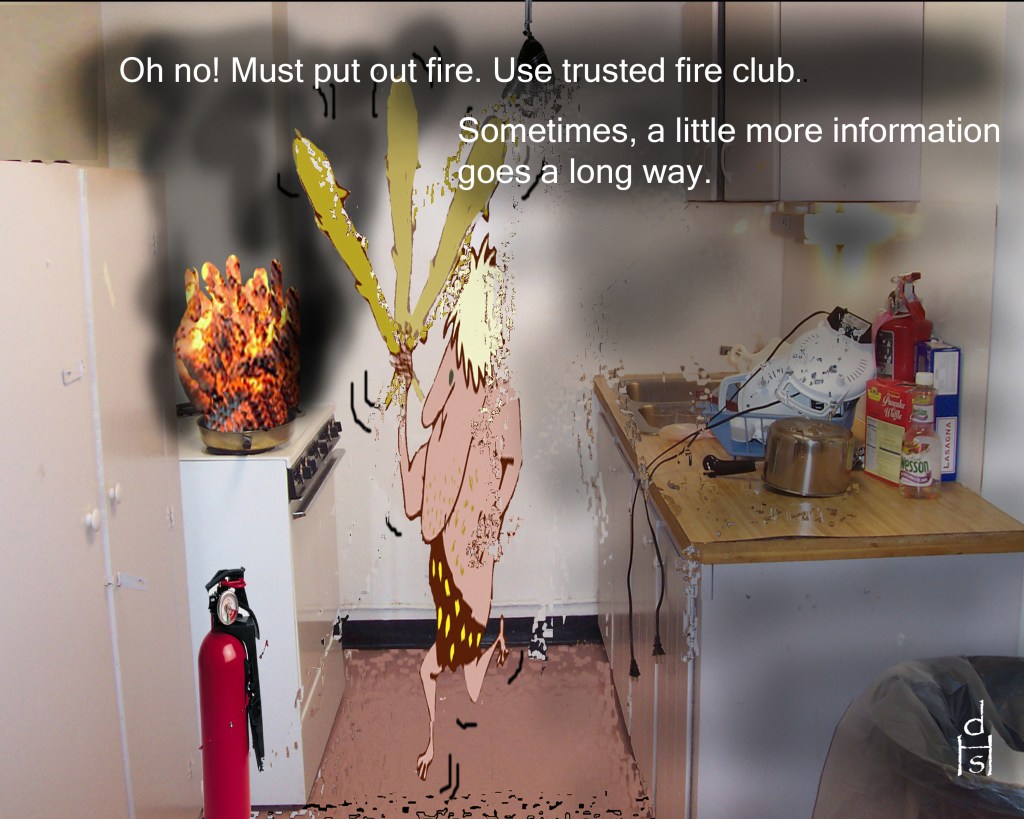
Having said that, there are times, sometimes humorously, when our reactions are way off the mark. Like the picture above where the caveman is using a club to put out a fire. The fire extinguisher is right beside him. This is where feelings step in. Fear, panic and anxiety all play a role in how effective we will behave in an emergency.
Stress produces the same type of reaction. The brain thinks there is a problem. It is either a possible emergency or real emergency and tells us to react. As a result our reactions maybe over the top for the situation. Think about the person who gets road rage because he/she is running late and the person in front is going the speed limit.
Next time you know you are feeling stressed and you find yourself over-reacting (flee, fight, freeze or flop), try to pull yourself together and regroup before reacting. Good questions would be, why am I reacting this way? Is the danger real? How realistic is my thinking? The one I like the best comes from my husband. He says to me, “I think you are reacting to things not in evidence.” Meaning, I’ve either got the cart before the horse or I believe I know what is going to happen without having a crystal ball.
None of us have true knowledge of the future but some of us think we do and base much of our choices and behaviors on this illusion. It can’t be done.
Here’s hoping you have a reaction appropriate day.
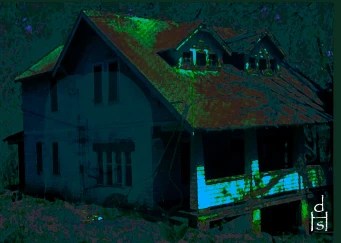
The driveway to our house was a mile-long tunnel, hand-cut by men long forgotten. In daylight, sunlight danced like fairies through the trees. But at night, shadows twisted into monsters that chased our old ’66 Chevy. I was five years old, safest tucked on the car floor before seat belts were a thing.
The first time I saw him, it was a warm afternoon. I was wandering the woods around our house when I spotted an old man mowing a lawn I hadn’t seen before. He wore baggy grey pants, suspenders, and an off-white t-shirt. His hair was short and grey, his face clean-shaven. The lawnmower made no sound. Neither did the birds. The air chilled, and my skin tingled.
He felt different, but I didn’t understand how.
I returned often that summer. Sometimes, only trees and rubble remained. Other times, I saw him pushing that silent mower again, a small stone house behind him—only visible on certain days. When the air thickened and sounds warped, I knew I was close.
I decided to talk to him.
One day, I pushed through the invisible wall of static, stepped onto his lawn—and he stopped mowing. He looked at me, smiled, and in that moment my head throbbed, my breath caught, and I fell backward. He—and the world he came from—vanished.
Later, he began appearing closer to home, sitting silently in one of our colorful metal lawn chairs. I’d tell him about my dog. He’d never speak, but I could feel his presence. I wanted him to acknowledge me. One day at lunch, he arrived. I jumped and danced in front of him. He smiled—then faded away.
When I told my grandmother, she became angry. She called me a liar. “That man is dead. That house was torn down long before you were born.” My mother tried to explain it away as an “imaginary friend.”
Desperate, I led them through the woods. But the house was gone.
I was no longer allowed to wander alone, and he never came back.
Years later, as an adult with a child of my own, I returned. Our old house was decaying—windows broken, graffiti on the walls, squatters likely nearby. The air felt wrong. We left.
Even more years passed, and I returned again. The land was gone, replaced by townhouses. But I found what remained of our swing set and doghouse in the woods, took home a rusted piece of the past.
Still haunted, I dug through property records. There it was: our home and his, built in the 1870s by a man named S. Disney (I’ll keep his full name private). His house sat exactly where I remembered.
I never found a photo. But I found enough.
Was he a ghost? My imaginary friend? A child’s dream or something more? I don’t know. All I know is I met a man who mowed a lawn that doesn’t exist anymore.

 Deborah Sickle Hill