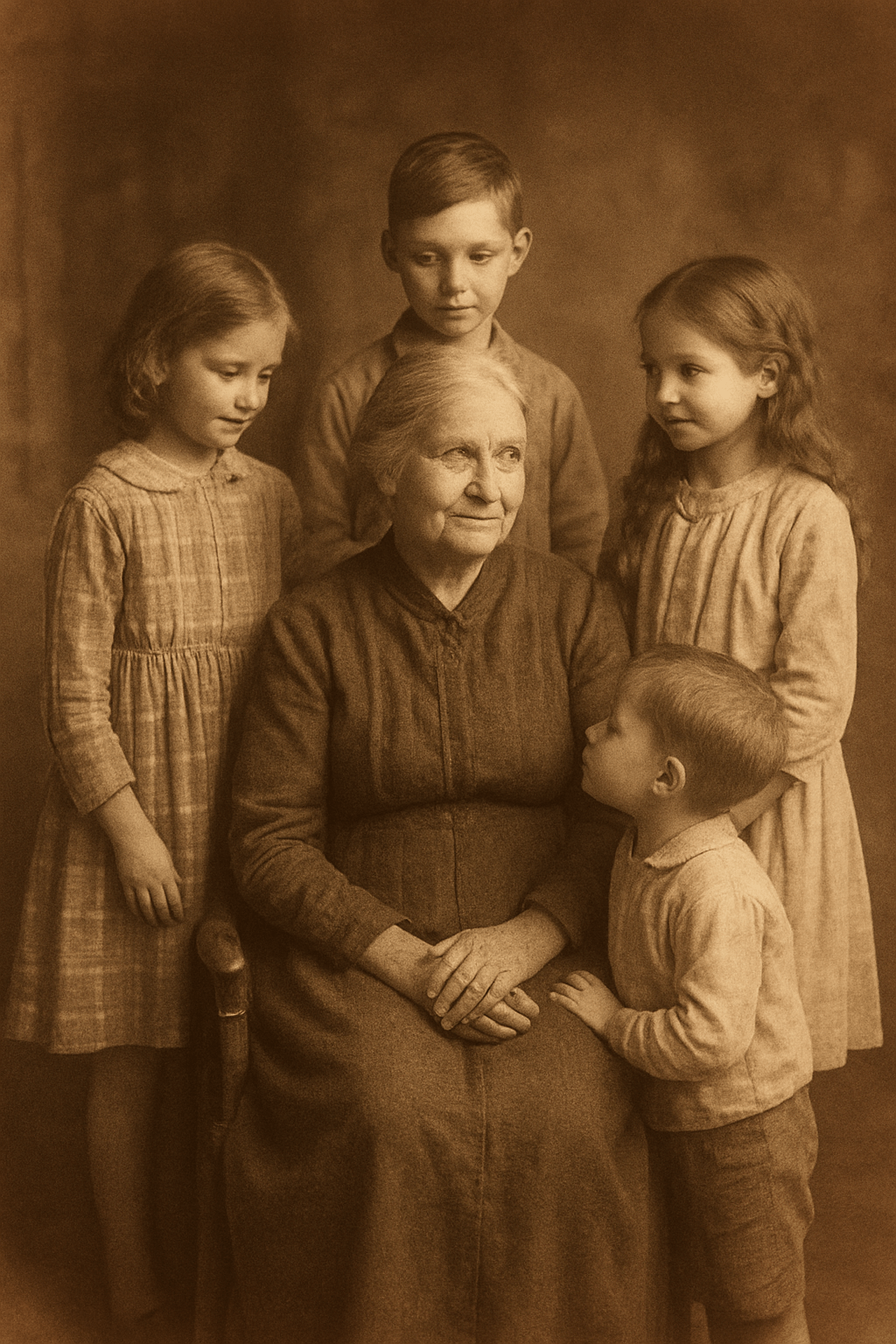
I had a grandma, a grandmom, and a nanna. Three very different women, born of different circumstances, and yet very much the same.
We lived with Nanna during my youngest years. Her home was a powerhouse of fond memories. She was a strong German woman who took in numerous foster children, one of whom was my mother. As an adult, my mom needed a wheelchair, and Nanna became partly her caretaker. As a child, I saw her as weak, but she was fierce in her strength.
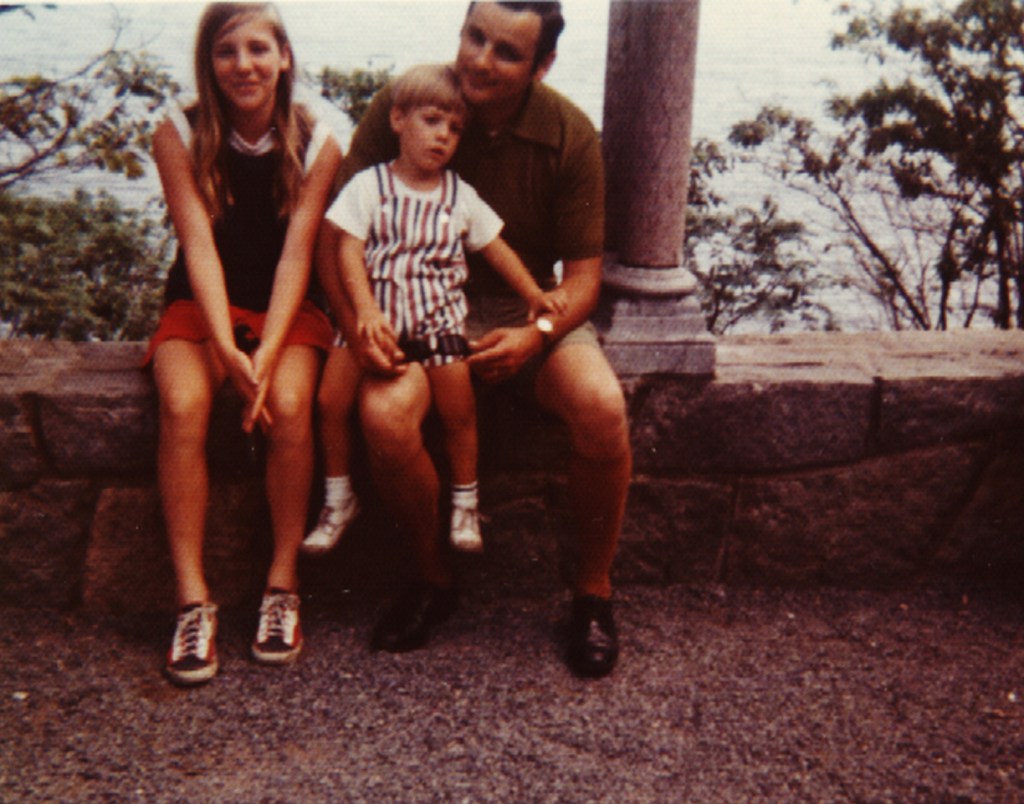
Grandmom was my father’s mother, the daughter of a candymaker in Baltimore. She birthed thirteen children and had more grandchildren than anyone could count. I was one of them, yet when I was with her, she made me feel like the only one. Gentle and traditional, she baked the best cakes and grew the finest roses.
Grandma, my mother’s mother, lived on what we called “poverty row.” Her ex-husband, my grandfather, was abusive and an alcoholic, and a government agency split their three children apart. Fiercely religious and spiritual—a holy roller, a savior of the lost and downtrodden—she treated me like an angel. She laughed easily, knelt on my level, and helped pull me through the grief of losing Karen.
My mother, the grandmother of my children, spent most of her own childhood and teen years in the foster care system. Yet she became the most loving, involved grandmother of all. I was blessed with a model mother, and she carried that care into her role as “Grandma.”
Now it’s my turn. I carry forward elements of all four women, adding my own. I know some people never knew their grandmothers. Others may not have had positive experiences. But behind each of us is a legacy of women—whoever they were, however they lived—who shaped our lives.
Today, as I prepare for my grandson’s Wednesday visit, I feel those women with me—their laughter, their resilience, their love—woven into who I am as a grandmother.
What about you? What influence, positive or negative, did the women of the older generation leave on your life?
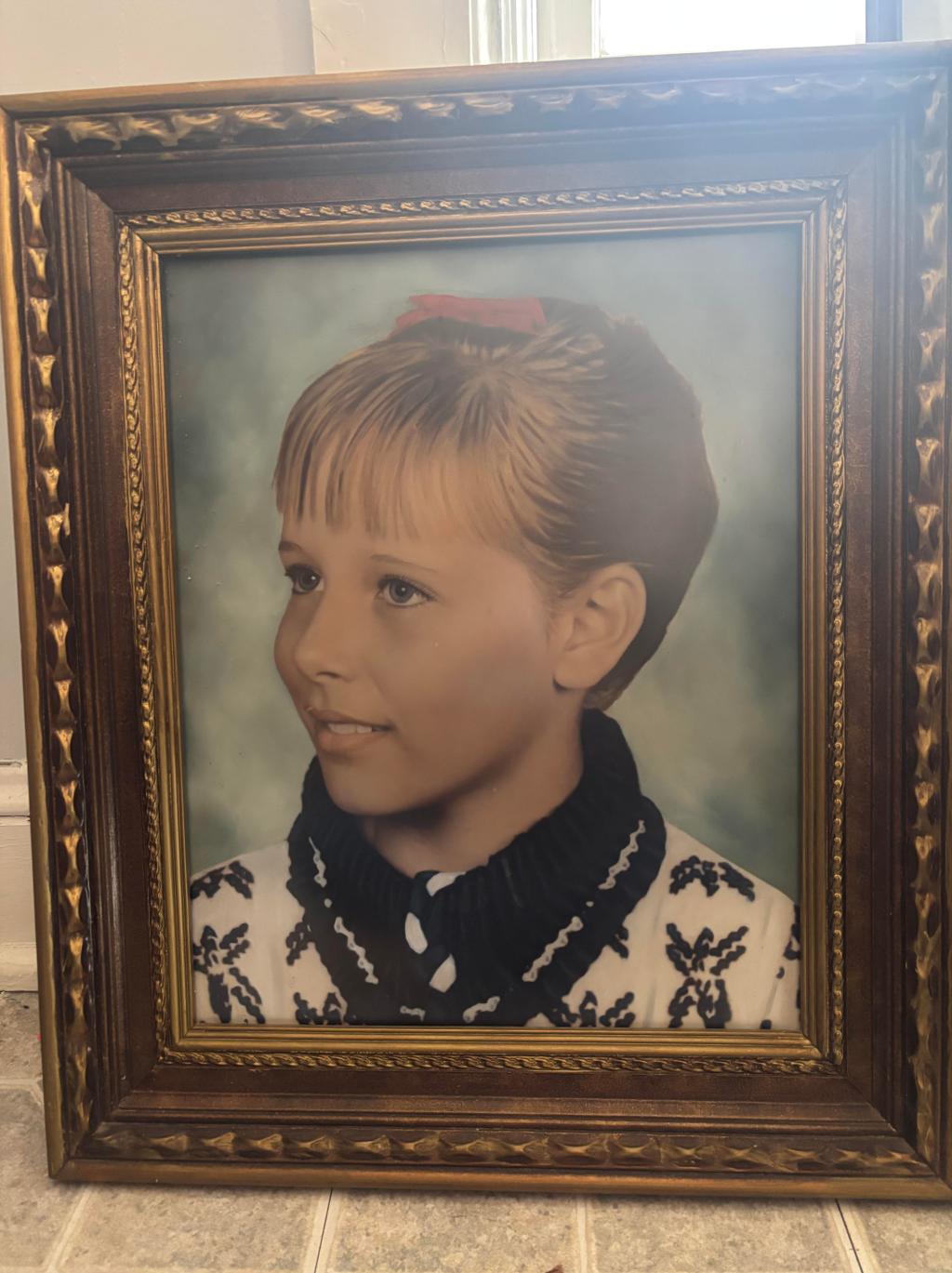
It’s been fifty-seven years since she passed. I keep mementos around my office and bedroom, so she’s never far from my thoughts. About fifteen years ago, I realized I could talk about her and see pictures of her without losing my mind. Our long book of grief was finally closed and set on the shelf. Then I was given the portrait.
A huge school picture, the kind meant for hanging over a fireplace. I’d stared at this picture and longed for it most of my life. Now it sits in my office, still without a place on the wall. Part of me wants to hang it prominently in the living room—but she means nothing to my family. My office? Would that be hiding her away—or finally putting her where she belongs?
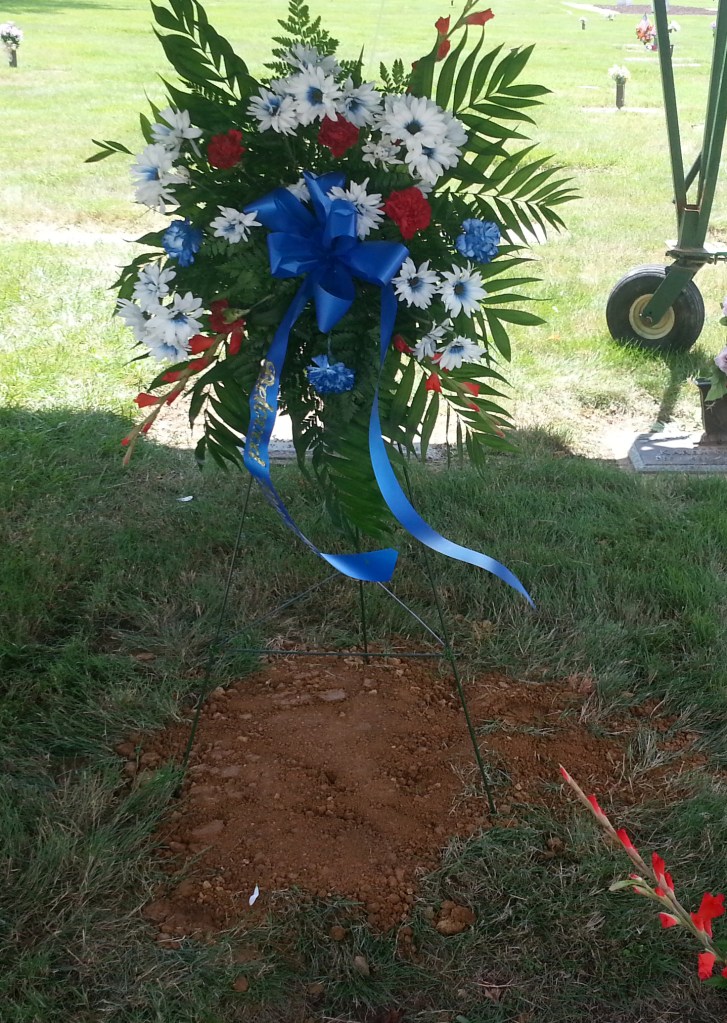
Last night, she sat in my living room while we watched TV. I think I spent as much time watching her as I did the screen. Remembering words I never got to say. I was probably much too young to speak them then. Not that I haven’t talked with her over the years—countless hours lying by her grave, telling her about my day, playing our music, and getting lost in our past. My portrait. Her face.
I always thought I should have been the one to pass on, me being the sickly one. Irrational, but a part of me still carries that guilt. Growing up, I wanted to be perfect so I’d get to heaven and see her again. I wanted to be the best to fill the hole her absence left. I was just a kid—I’ve had plenty of therapy since then.
So why am I sitting here now, lightly sobbing? It’s only a portrait that needs a home. But I wonder if I ever told her I loved her—not after the fact, but in the moment, when she could answer back.
It’s been fifty-seven years since she passed, fifteen since I stopped punishing myself. And now this portrait sits here, reminding me that maybe grief isn’t a closed book after all—it’s a story that keeps finding its way back into my hands.
Hubby and I walk into a car rental place and pick out a Chevy Cruze the agency insists is “RED.” I call it terracotta. Chevy’s website calls it Autumn Metallic. Either way, it’s not red.
Why does this matter? Imagine trying to find your rental in a strange lot and saying, “It’s red.” Would you look for that car? Exactly.
The Cruze also has a dashboard computer that does everything but bake bread—without instructions. Too tired to figure it out, we grab gas and snacks at a Kangaroo mini-mart.
While Hubby’s inside, I plug in my phone. He returns and says, “Find something on the radio. Looks like it’s got satellite.” I try, but the screen keeps asking me permission for things I don’t understand. I hit yes. Nothing happens.
Then suddenly—music. “Yo, ho, yo, ho, a pirate’s life for me,” in a voice suspiciously like Johnny Depp. Next up: This Is Halloween from The Nightmare Before Christmas. Perfect, since we’re headed to Disney World.
“It’s like they know we’re coming,” Hubby says. “Disney must have its own station.”
I’m convinced. We sing along—until the songs end abruptly. Then comes a rumba ditty we hate, followed by beeps, whirls, and finally… a telephone ring.
Hubby stares at me. “Those are your ringtones! The car is playing your ringtones. What did you plug into?”
And just like that, the Disney magic vanishes. Johnny Depp wasn’t crooning to me after all; it was an old 99-cent ringtone download. This Is Halloween? Same story.
So no, I don’t know how to work the car’s computer. But I do know one thing: I’m not sitting in a RED car.
Has your car ever synced itself to your ringtones?
My uncle was dying in a Florida hospital, a thousand miles away. The call came early: Expect the inevitable. Keep your phone close.
He wasn’t just an uncle—he was a second father. But I was home with my daughter, helping her recover from major spine surgery. She needed me. I couldn’t leave.
All day, I juggled logistics, wondering if I could fly down. My mother said, “Let us visit the hospital, then we’ll talk tonight.” But the call never came.
By midnight, my imagination took over. Maybe he’d already passed. Maybe they were too distraught to tell me—like when my sister died when I was seven and I couldn’t say goodbye.
At 12:30 a.m., I half-joked to my daughter, “Maybe he’ll come say goodbye.” I thought of my grandmother’s rocker that moved by itself after she died. Surely my uncle could find a way.
Unable to sleep, I crept downstairs for Lucky Charms, passing my late sister’s Chatty Cathy doll. I pulled out my uncle’s old camera, set it on the table, and cried until empty. Then—a shadow at my feet. I screamed. The milk went flying.
“Meow.” Just the cat.
The phone rang—he was still alive. Instead of relief, I felt emptiness. The next night, the real call came: my uncle was gone. I went numb, then collapsed into wailing.
I’ve seen a lot of grief in my practice, and I know: do whatever healthy thing you need to survive. I let my thoughts spiral. I isolated. Days later, I picked up his camera and started shooting stills while playing childhood music.
My office door swung open. A warm, healing feeling washed over me—comforting, not frightening. I like to think my uncle came to give me a hug. It was what I needed to begin the long, twisting road of healing. Who are you to tell me it was anything different?
IF YOU ARE GRIEVING, KNOW THESE THINGS:
No one grieves the same.
Don’t let anyone tell you you’re taking too long.
Use your support system.
Keep a treasured object.
Write letters to your loved one.
Join a support group when ready.
Seek counseling if you’re struggling—or simply to talk.
Pray, meditate, or find your own way to connect.
If you’re grieving, my condolences. I hope my experience helps you on your journey. —Debbie
Miracles happen when you least expect them—or maybe it’s luck, or fate?
It was an ordinary Tuesday, except the dryer was on the fritz. So, the jeans were strung across a rope from the dining room buffet to the living room bookcase. I should also mention that a gallon of Country Pink paint was sitting—lid half-on—on a stack of newspapers atop the buffet. (I’d been painting before the dryer died.)
And then there was Frodo—a York Fair goldfish—swimming peacefully in his bowl, completely unaware that things were about to go terribly wrong.
As usual, I was dancing around the living room, music loud, getting in my daily “exercise.” The second verse of Ghost Dance by Robbie Robertson was playing when all hell broke loose.
The top of the buffet collapsed.
The paint can launched into the air.
The jeans came crashing down.
And Frodo—poor Frodo—soared skyward, caught midair in a rain of pink. I watched, helpless, as he splashed down into the tangled denim, disappearing into a puddle of Country Pink on the carpet.
“Help me!” I yelled into the phone at my husband.
“What do you want me to do?” he asked, calm as ever.
“Frodo is in there somewhere!” I cried. (Forget the jeans, the broken buffet, the ruined carpet. I had a fish to save.)
“Well, if the fall didn’t kill him, the paint probably did. Start looking.”
I hung up and began frantically sifting through the wreckage. Five minutes passed. Then ten. Frodo was nowhere to be found.
And then—I spotted him. A small, motionless blob in a deep pink puddle. He wasn’t moving. I’d killed him.
Panicked, I picked up his slimy, paint-covered body and rushed him to the sink. I knew chlorine could kill a fish—but figured you can’t kill a fish twice. I rinsed him gently under running water, laid him on a paper towel, and stared at his lifeless body.
What was I going to tell the kids?
Then I saw the bowl—miraculously unbroken. I cleaned it, filled it with water, and—though it felt absurd—I dropped Frodo in.
He floated.
I walked away, too heartbroken to do anything else, and started the monumental task of cleaning up the mess.
Thirty minutes passed.
At some point, between loading the washer and mopping the floor, I passed the sink—and stopped. Frodo was swimming.
He was alive.
We renamed him Lazareth. He lived for years after that in a bigger, better aquarium, in a much safer spot.
So how do I explain it?
I don’t know. Was it a miracle? Maybe. Does the creator of all things get involved at that level? Perhaps. Was it luck? Fate?
It’s been about two months since I last wrote. The Restless Wanderer was traveling for three weeks and came back with a fairly significant upper respiratory infection. This rolled into creating a Halloween display for 800 children, making a video for a reunion party, and doing a major rewrite on a manuscript. Now, here it is two weeks before Thanksgiving and I’m wondering where the year went.
About three months ago I was interviewed for a local magazine asking how to deal with holiday stress. The reporter asked the usual questions that I think anybody can find the answers to if they look under a leaf. Eat properly, get enough sleep and exercise. I think the top piece of advice would be WATCH YOUR EXPECTATIONS. The first part of watching your expectations is to understand what you’re doing and why. That brings us to a mini history lesson.
The topic is Thanksgiving. Do you know why we celebrate Thanksgiving? Do you know why you celebrate Thanksgiving the way you do?
According to the book, Thanksgiving: The biography of American Holiday, the original holiday, in 1620, lasted three days and consisted of fasting, humility, prayer and a feast on the last day.
Prior to this, it was common tradition to set aside a day for giving thanks to God. There were days for giving thanks (Thanksgiving) in all the first colonies, in Native American traditions and in Europe. Standards or protocols for how to give thanks and when varied.
In school, thanksgiving teaches us about the English settlement called the Massachusetts Bay Colony, now known as Plimouth (yes that is the correct spelling) and about the Pilgrims. I think the average American believes we celebrate thanksgiving to commemorate the goodwill between the Native Americans and the Pilgrims the first winter in 1621. I wonder how many realize it started out as a somber religious experience.
According to Plimouth Plantation historians, the holiday was ratified by the Constitutional Congress but the date varied state by state. When the Civil War broke out, President Abraham Lincoln proclaimed Thanksgiving as a national holiday to help reunite the country. He actually wanted two thanksgivings a year; one in remembrance for Gettysburg to be held the third Thursday in November and the other a more general occasion. The day was designed as a day for praying for the orphans, widows and aid for our war torn country. There was no special meal or tradition.
We can thank Franklin D. Roosevelt for deciding the date of Thanksgiving. Surprisingly, you can say he is also the father of Black Friday. He tied Thanksgiving to the traditional Christmas season so there could be more Christmas shopping which would help the economy. The year was 1941.
The time between Lincoln and Roosevelt in how we celebrated Thanksgiving is not very clear to me. It does look like in the north, people started having large family dinners and many in the south had no idea about the holiday. I think what people did, how they did it and what they ate was very much individualized.
Wait a minute, what about all those decorations with Pilgrims and Indians and all the things we learned in school about Thanksgiving? According to Plymouth Plantation historians, that storyline started in the early 1900s. Why then? They claim it had something to do with two manuscripts that increased people’s interest in Plymouth (our modern spelling), Pilgrims, and the Wampanoag Indians.
The American school system chose to use Thanksgiving as a time to teach American freedom and citizenship to children. By the 20th century we had a set culinary expectation of what Thanksgiving required. In 1943 Norman Rockwell gave us his famous painting entitled, Freedom from Want, and the ideal Thanksgiving tradition was carved in stone.
Now you know the rest of the story. Or do you? I know our Thanksgiving usually consists of turkey, stuffing, mashed potatoes, sweet potatoes, cranberry relish, corn, green bean casserole, rolls and pumpkin pie. My mother used to add sauerkraut, harvard or pickled beets, red cabbage and lima beans. Depending on where you live in the country, this list varies. But what did the Pilgrims eat?
According to a special on the History Channel their diet was a little different. They would have had things like cod, lobster, eels, oysters, clams, eagles, partridges, ducks, swans, geese, turkey, deer, wheat flour, Indian corn, pumpkins, carrots, grapes, beans, peas, onions, lettuce, chestnuts, walnuts and acorns. All of it lovingly prepared with seasonings from liverwort, parsnips, olive oil, and currants. Yum!
Next we look at how our own histories mixed with the national holiday. The result is your expectation of what Thanksgiving is and what it looks like.
So what’s on your table? And how much is on your table? Why did you choose the music, the decorations, the amount and type of food for Thanksgiving?
Is it a badge of honor to say you ate so much you have to unbuckle your pants? Is it worth having a meltdown if the rolls are slightly burnt? Do you have to do all the work or do you delegate?
How much of your holiday do you allow to happen vs. you trying to control it?
Are you responsible if someone doesn’t like your food or is not having a good time? Is the final revile of the Thanksgiving dinner and your sense of self worth tided together? If something happens and the entire meal is ruined, can you still rejoice because you have family and friends gathered together?
These are important questions that help you examine the things you do to prepare and implement Thanksgiving. You alone are in charge of what you think, what you do and how you feel.
The more fluid you are, the less stress you will feel.
Being more fluid means you’re going with the flow. When something happens, it might be disappointing but not catastrophic. The fluid person knows this, expects issues to happen and rolls with the punches.
It’s very easy during the holidays to get wrapped up and twisted in what the media shows us, our families and what our holidays should look like. We often assume every other family is having a Norman Rockwell picture. We forget the media has an agenda and also that nobody’s life is perfect.
So, if your Thanksgiving is not what you remembered when you were a child or you’re not able to provide the Thanksgiving dinner you would like to for your family, don’t sweat it. More than likely, your memories of what was or your dreams of what could be are seen through either rosy or blue tinted glasses. While it’s good to have expectations, goals and plans to make the day a memorable one, remember, you’re only human and your family will love you unconditionally; even if you’ve burned the turkey or dropped the green bean casserole on the floor and have to remake it. If you have a dysfunctional family, the kind that grumbles, argues, complains about everything and never gets along, your dinner unfortunately, is not going to change any of that. Work on that the rest of the 364 days of the year.
Last point: If mom or Aunt Busybody scrutinizes what you’re trying to accomplish and you feel like no matter what you do it’s not good enough, that’s not about you but about them. Give it back to them as a present. Don’t feel bad, don’t suck in the venom, keep telling yourself it’s not about them. Enjoy your day. Enjoy your family and friends. Live in the moment. Happy Thanksgiving!
It’s Friday morning, exactly one week from my uncle’s funeral. Family is headed back to Florida and for the first time since the death, the house is quiet and the stillness overpowering.
It’s a surreal morning. I had set the alarm on my cell phone for a seven o’clock wake up but forgot to turn up the volume. I hear pounding on the door and shoot out of bed confused.
“We need to leave in ten minutes!” My daughter yells through the door. This morning is the first in a series of physical therapy appointments she has, post-back surgery. “We can stop at Dunkin’ Donuts on the way. They have great breakfasts and awesome coffee.” This is a dig against her brother, my son who lives and breathes Starbucks.
I brush my teeth; throw on some clothes and stumble, still half-asleep into the hallway. She is standing by the front door with my purse in one hand and my keys in the other. I find my shoes and struggle to get them on my feet. She ushers me out the door.
We get into my mini-van and I’m seated in the driver’s seat. A revelation hits me, I’m awake and going somewhere. I slap my face a time of two and turn up the radio. Something has to wake me up. I’m driving for goodness sake!
“Dunkin’ Donuts is right around the corner. You can get a large coffee,” daughter tells me.
Before her surgery, my daughter was a three times a week Dunkin’ Donuts regular. We enter the coffee shop. She waves at the staff and rattles off what she calls her regular order. The counter person puts this into the register and looks at me.
I don’t have a clue what I want. Daughter and counter person spit out several adjectives describing food and beverage choices; eggs with bacon and toast, no toast, no egg, cheese, no cheese, bagels, coffee, iced, hot, latte, espresso, creamer, no creamer, mocha, mint, raspberry.
“Well?” Daughter asks.
I think I heard one of them say coffee, hot. I remember, the other day after daughter’s post neurology appointment we stopped at Sheetz, a regional gas, restaurant, and convenience store for coffee. That coffee, ordered for me by daughter, I really liked. “What was that?” I ask her.
“Iced, white-chocolate, raspberry with soy creamer,” daughter replies but for some reason I can’t wrap my head around all the words.
“Raspberry, chocolate,” I say. Miraculously, a breakfast and hot drink are handed to me and we head back to the car. I drop daughter at physical therapy and head back home.
Walking in the front door, I smell something dead and rotting. I check for the dog and cat. They are both accounted for and alive. Down on my hands and knees, I sniff the carpet, the couches and the afghans. Everything smells like it is supposed to. I’m stumped and tell myself I’ll deal with it later.
It’s been two weeks since I opened my mail or answered my business phone. Life literally has been at a stand-still. I leave the smell of the living room and head upstairs to my office. It’s a business disaster. Piles of paper and files have shifted around so many times in making room for extra, visiting family that I no longer know where anything is located.
I fire up the computer and find over three-hundred e-mails needing my attention. My office phone is blinking, ten missed messages. I’m so overwhelmed and exhausted I don’t know where to start or how to prioritize. This is grief and stress, I tell myself.
I sit in my office chair, close my eyes and do some deep breathing. I tell myself an altered mantra I learned at an acupressure seminar months ago. I have all the energy I need. My body is taking in the energy around me, re-filling where I am depleted. I refuse to let things or people take away my power or energy.
I open my eyes and see five minutes have gone by. That’s okay; I feel refreshed and know what direction to take with the clutter. The dog and cat get into a spit and I need to intervene. I can feel my energy draining and have to fall onto my office couch before I collapse. So much for the mantra working, I tell myself and cry.
Cried out, I lay there watching spider-webbing cracks in the ceiling paint. The house is so quiet. I didn’t realize how much the family being all-together helped keep each of us afloat through the past two weeks. I push myself to go back downstairs; I’ll deal with the office chaos later. I quickly move past the smell of death in the living room and back to the bedroom.
There are several beds we’d assembled for extended family. I decide there’s no time like the present to strip the sheets and start reversing the process I started two weeks ago. The beds come apart fairly easily and I’ve stowed them, for now, in the dining room next to the left-over paper plates, cups, napkins and plastic ware from the post-funeral get-together. I can’t deal with the things in this room right now. I’ll get to it later.
I have enough time to shower before returning to pick up my daughter. I grab some clothes from the laundry basket in the living room still waiting to be put away. What the hell is causing that smell?
I shower, pick up my daughter and head home. “There’s a smell,” I tell her. “When I open the front door, find it.”
We open the door and the smell is obnoxious. Again, I get on my hands and knees and feel more like a police dog looking for illegal contraband.
“This would be a good time for a picture,” daughter says. “Did you smell the fireplace? The other day we heard birds in there.”
Birds: Our chimney does not have an enclosed top. Every year starlings nest on top of our flue. When the eggs hatch, we have our own bird sanctuary. We can hear the parents fluttering up and down the chimney, baby birds chirping, singing and screeching. We can tell when a parent bird is bringing food back to the nest by the excitement coming from the behind the bricks. Eventually, the babies learn to fly and everything goes quiet until next spring. I don’t know why there would be a dead bird in our chimney in July.
I lean in the direction of the fireplace and don’t have to go any further. Sh-t, it is a dead bird in the fireplace above the flue. I open and close the flue several times hoping the bird body will fall and I can dispose it. Nothing happens.
A crazy thought, maybe I can smoke or incinerate the body with a fire. Okay, I know its July, but it is cool enough outside that I can turn off the air conditioner. I open the flue, turn off the air and toss a Duraflame log in the fireplace and set it ablaze.
My daughter and I sit on couches watching the dancing flames and my son comes in to join us.
“Reminds me of camping,” he says.
“Reminds me of my step-mom raising and killing her own chickens for food,” daughter replies.
“They’re making a new product called Soylent,” my son says. “It has all the nutrition anyone needs. Soon we won’t have to worry about food.”
Conversation lulls with the flames and both kids leave the room to live their lives. I’m alone with the cat nestled up beside me. The Duraflame log is half its original size but continues to deliver a calliope of blue, green, yellow and orange flames. The house is so quiet.
I realize what I’m really doing is cremating the bird and flash back two weeks ago. Corner’s reports, probable causes of death, cremation and internment paperwork, planning a get-together for everyone post funeral, setting up beds, buying and making food for everyone, military send-off with Taps and a tri-folded flag while we stare at Uncle’s portrait and the urn containing his ashes. It was almost one-hundred degrees that day and with high humidity. Everyone was drenched in a mixture of sweat and tears.
The fire is nearly out now. I don’t smell death anymore but it’s all around me. Every room in my house has at least a small remnant of the past two weeks. I can walk here or there and hear snippets of conversations between family members. I can smell the scent of various shampoos and soaps everyone used. My brother left some cigarette butts behind on the front porch. My mom left her ice pack in the freezer. Aunt Mary left her socks and my dad forgot his belated father’s day card. My uncle’s picture is on the mantel of my fireplace. He is smiling.
Maybe, death is not all around me but snippets of life. Sure, my alarm didn’t wake me up but I got up. I got to see my daughter blossom, knowing she is finally getting well enough to join society. Her car which has been dead since surgery, is going to be fixed free of charge. The smell in the chimney is gone and the method I used got two of my kids together for a nice conversation. I have remnants of the past two weeks all over my house but I got two weeks with people I love more than anything. We had a death to attend to, but in his passing, I reconnected with very close cousins I lost touch with over the years. We laughed, smiled, sang, told jokes and reminisced about my uncle and our entire family. I had expected people to stay maybe two hours at the get-together. Most stayed at least five.
My house is very quiet and I’m crying. But I realize, this is not the ending. This is just the beginning of a new chapter for all of us. I should- will embrace finding the how and where we go from here.
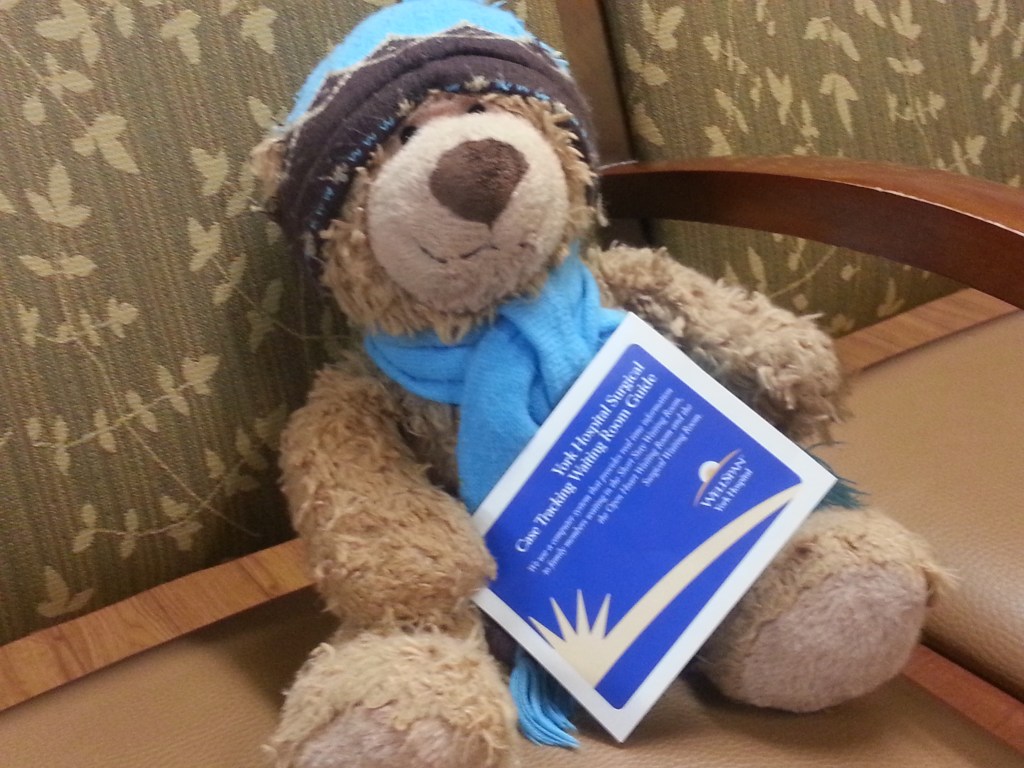
Its 11:11, an hour and ten minutes into my daughter’s five hour spine surgery. I’m sitting with her fiancé, a menagerie of electronic devices to keep me entertained and a fully charged cell phone.
I’m on level 33 in the game Candy Crush and fiancé is on level 65, not that it’s a competition. Steve Harvey is on the television chattering away about Jack Russell Terriers. I have one of those. Chicken-dog we call him due to his un-bounding ability to find the most minuscule piece of chicken bone from the trash. No one in the room seems to notice the television exists. No one cares that I have a chicken-dog at home or why I’m sitting in this artificial environment called a waiting room. I however, cannot say the same about my feelings toward the other people in the room.
I hear snippets of conversations, small windows into the lives of others, small dramas in adult human packages. She did well, you can go back; He had problems and will be in recovery another hour; I’ve been here all night and I got a parking ticket; I’m sorry, we need to talk to you in private. Things didn’t go as expected. This is what I am currently calling my reality.
I’ve heard that word in different contexts lately making me wonder, what is reality?
Outside the hospital walls, people continue to rush around grabbing coffee, the latest news, the morning dead-lock on I-83, pushing their kids onto school buses. In here I sit and wonder why it’s taking me so many attempts to get past level 33 in Candy Crush and what fiancé knows that I don’t. Its easier then thinking that the woman I once spent forty-two hours giving birth to is lying on a table being flayed by a man I’ve met only once.
Okay, maybe flayed is not the most accurate word. No correct that, this is what I feel, so it is the exact word for my current reality. What is reality? How can my reality consist of one way of life and the next day be completely alien from the day before? Are they the same? Is my reality the same as someone in a country where there is no electricity and my daily existence is spent finding food and fresh water?
My first inclination is to say, no, they are not the same reality. How can they be? When I think about the veterans returning home after active duty, I think the same thing. How do they wrap their heads around the life they lived overseas in war zones too returning home to, hey, the neighbor cut the hedge too short? Do something about that.
My second inclination is to say; yes it is the same reality, only different facets. As quantum physics contemplates the ramifications of string theory, (alternate dimensions in time and space) I think I’ll view reality as a large, loosely woven textile. Twisted, strands of cotton into yarn blended together and the fibers criss-crossing, under and over each other. You pull one string and the whole thing wobbles or comes undone.
There is a large family in the hallway outside the trauma intensive care ward. From their faces I can tell they are sitting on the edge of threads coming undone if not completely ripped. I make eye contact with their pleading, empty eyes. I can almost hear the word, why, from their minds. Why did this thread have to snag or be cut? I don’t have an answer.
It’s surreal to see. Daughter’s fiancé and I are walking down the hallway toward the hospital cafeteria. He’s talking about a stock car race and the amount of hours they give him at work. I am flashing back to when I was in the trauma intensive care ward down at Shock Trauma in Baltimore. I can smell the alcohol and hear the doctors and nurses talking as they filleted me open to save my life. I never lost consciousness till the end.
Daughter’s fiancé does not know my reality just sharply changed course on that textile of life. Nor do I think he caught how close we both just walked around another reality sharply snagged and unraveling as we passed that family in the hallway. A chill goes down my own spine. My spine, intact, closed within the confines of my muscles and skin. I flash to my daughter lying there in surgery.
Do you think a doctor ever left a tool or cotton wad in someone, I hear someone say while in the cafeteria line. I’m trying to decide on a nice, healthy fish or a piece of cake. I pick up the cake and another cup of really bad coffee. I know medical issues like these happen more times than we might want to think about. After all, we are only human. All on that same piece of fabric that twists and turns under our feet.
If a surgeon is having a fight with his spouse or had a minor accident on the way to work, do they take that energy into the operating room? Do they get as scatter-brained as I do when things knock me off my routine? If I were surgeon, on days like that, I’d lose my scalpel in someone for sure.
I can’t handle thoughts like that right now. I grab a second piece of cake in case the first piece is not enough comfort food. I notice fiancé has grabbed three times his normal amount of food for lunch. Nerves, I tell myself. Maybe, he is closer to the unraveled part of the textile then I think.
Do any of us really know where in reality we are? I don’t have any answers to this either. This cake is really moist; I wonder if they bake it here?
The nurse tells us my daughter came through surgery well. I sigh in relief. My section of the textile is still raveled and I’m pretty sure the surgeon still has his scalpel. Not a bad day overall.
I’m at the Wal-Mart waiting for prescriptions and decided this would be a great opportunity to pick up father’s day cards. The Wal-Mart in my area has two rows of cards about fifteen feet long devoted to father’s day. The store is not crowded and I have the entire father’s day card ensemble at my viewing pleasure.
Picking out a card for my dad was a breeze. He’s the sentimental type and I easily found a card depicting a little blonde haired girl smiling and laughing with her dad. Ah, I thought, boy does that bring back memories. If it brings a tear to my eye, which it did, I knew it would get him too. I put it in my cart.
Then there is my hubby who can be described in many ways, but sentimental and romantic are not among them. I don’t know if it was genetics, environment or he just likes to hide his softer, mushy sentimental bent, but he is more like Sheldon Cooper (Big Bank Theory) then Romeo (Romeo and Juliet). Sentimental father’s day cards are not an option.
I have a choice. I can get him a card about drinking beer, being lazy, forgetful, being over occupied with cars or sports, being in the bathroom too long, reading in the bathroom, staying in bed with a beer, over-eating or farting. There are eight different cards about father’s farting. Four cards on being in the bathroom. Three cards on offering new and improved reading material for being in the bathroom. This would combine being in the bathroom too long and reading in the bathroom. In case you are keeping track.
There are a couple cards for older kids to give their fathers. Things like, you embarrass me, I’m just as moronic as you, give me money, where are the keys to the car. I have to add that in the pre-school – kindergarten age cards for fathers are; I love you, you play with me, you take care of me, things like this.
My question is, what the hell happened from I love you to Happy Farters Day? Granted, I’m not in the Hallmark store. I’m in Wal-Mart. Does that make a difference? If I was on the east side of town would I find less fart and toilet related father’s day cards and more, thanks for going fishing with me cards, you taught me lots? With the card picture showing two guys in a boat, one younger than the other, all tangled up in a fishing net.
My hubby has said on numerous occasions that men, especially white, middle class men, are one of the only populations of people where it is acceptable to berate, tease and stereotype. He uses American television shows as his evidential media trail to prove his point.
I think about this as I’m standing in the card aisle trying to force some of these cards to change so I can find something suitable. You know, humorous but intelligent and with style. My magic genie is not working. I find another toilet card depicting a gorilla on the toilet reading the newspaper. Really?
I’ve been standing in this aisle for twenty minutes and it’s obvious nothing is going to change. So, I’m going to find a somewhat acceptable, humorous father’s day card, cross out what does not apply and with sharpie in hand, make it fit. I search again for the ultimate card and come up empty handed.
Is it that our stereotyping of fathers is so out-of-hand that no one can remember what their dad is (was) really like? Why stereotype fathers with the attributes of dysfunctionality and think it’s funny? Is this really what our current society feels about fathers or men? Maybe, hubby is right. Maybe this is another evidential trail.
Has the role of father changed that much in main-stream America that we resort to fart and toilet cards to express our hostility? As a social worker, I know that the percentage of fatherless families is staggering. The last statistic I saw was fifteen million children live in a household without a father. (The Washington Post) In Baltimore, where I am from, 38% of children live in fatherless homes. The domino effect is horrendous for children and society. The numbers continue to rise.
Is this the reason I can’t find a decent father’s day card? Will there come a day when we won’t have father’s day? Maybe the people who wish to express honor and appreciation for their fathers are declining. If this is the trend and it continues, there will be no need for a day to celebrate and honor half of the genetic gene pool that brought all of us here.
Maybe it’s the type of humor involved. I accept that. There are too many degrading, hello, I’m a dysfunctional dad and it’s my day, cards verses I’m a great dad, not perfect but I love you and you know it cards. There is no balance, at least not in these aisles.
So what’s with happy farters day? Lack of responsible dads, lack of respect for dads, a disconnect between who dad’s are and how they relate to their families? Or is it something I haven’t thought of?
My hubby does not like sports so that cuts out about an eighth of the selection. He does not drink and that cuts out a fourth. I’ll be damned if I’m going to give him anything that has to do with bodily functioning to celebrate his fatherhood. That cuts out another half. The last percentages are the sentimental and pre-school cards. Where this does led me?
I bought hubby a birthday card. I have a sharpie at home. Maybe, this is a sign I need to go into the greeting card industry. I certainly can’t do any worse then what I’ve seen today.
So if you are a father and you get a father’s day card that does not have drinking, laziness, or jokes about bodily functions, give your family an extra hug. They obviously went the extra mile to find that special card just for you. Happy up and coming father’s day!
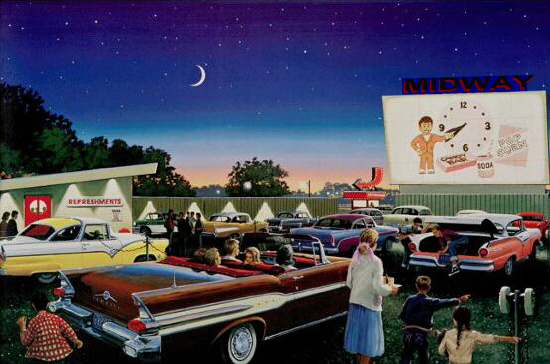
It’s drive-in movie time again. Even though nights are still on the cool side, it didn’t stop our local drive-in’s opening weekend from being a near sell-out for Lilo & Stitch and Mission: Impossible.
Like good American nostalgia enthusiasts, we gathered our blankets, hooded sweat shirts, lawn chairs, a bag of McDonald’s food, folding table and a game of Haunted Mansion Life (yes it’s a Disney thing) and headed for the drive-in forty-five minutes away.
It was good to see so many other cars, vans and trucks in attendance. The enticing smell of popcorn, hot dogs and fresh coffee filing the air. Kids of all ages running about, throwing around balls, swinging on swings or playing games with family and friends around their vehicles. Adults sat around playing cards, friends were reunited. We were about an hour from show time. You have to go at least an hour before show time for a good spot and for socializing.
According to the LA Times, at the height of the drive-in theater craze there were over 4,000 drive-in movie screens or about 25% of all movie screens in the country. Today there are only approximately 368 or 1.5%. Drive-in movies are a dying bread in great family entertainment.
Why go to a drive-in when you can attend a modern indoor theater with rocking, cushy chairs and state of the art Dolby surround-sound? Here are my top ten reasons.
10. It’s an American institution that should be preserved.
9. Two movies for the price of one.
8. Before movie social time with family and friends.
7. You can talk all you want during the film and no one cares.
6. Sit in the car, on lawn chairs, laying in a truck or van, in sleeping bags on the ground. Whatever floats your boat.
5. You control the volume of the sound around you.
4. Bring the kids in their pajamas. If they fall asleep, no problem. Wrap them in a blanket. Once you are home, just plop them into bed. (Yes, put them in a car seat on the way home)
3. Bring your own treats but make sure to patronize the concession stand. Most drive-ins depend on this to off-set cost of the business. Our concession stand is like a take-out restaurant.
2. It’s an event, not just a film. Everyone gets excited when you tell them it’s drive-in movie night!
1. You get to watch the dancing concession stand food advertisement at intermission. “4 minutes till show time, just enough time to get a fresh bag of popcorn and a refreshing soda.. 3 minutes till show time…” As the dancing hot dogs in buns jig with a couple bags of popcorn to hooky carnival music.
Want to know if there is a drive-in near you? Go to DriveinMovie.com. They have them listed state by state. See you at the drive-in!
Oh yes, Lilo & Stitch and Mission: Impossible were great films. I recommend those too.


 Deborah Sickle Hill