I’ve never chased a giant before. The reason is simple. Except for several black bears in the Great Smoky Mountains. Buffaloes and other residents of Yellowstone National Park—wildlife avoid me.
It’s a running joke between my husband and me. Still, traveling across the U.S.A., my camera or cell phone is always at the ready. One day, I know, the ultimate image of my Leviathan will come—even if I don’t know what that looks like. But I’ll know it when I see it!
The search reminds me of Herman Melville’s quest to find Moby Dick—wait! That’s it! Whales!
The advertisement stated, ‘Guaranteed to see whales and dolphins!’Location: Gloucester, Massachusetts. Hmm, whales and dolphins, guaranteed. How could I lose?
We’ll be in New England this fall—think brisk air, fiery foliage. I booked the tour, purchased waterproof pouches for our phones, and researched what we would need for the four-hour tour—namely, heavy coats (waterproof), hats, and gloves. Apparently, it’s twenty degrees colder out at sea in Massachusetts than on land. Um, spending four hours in thirty-something to forty degrees temperature with a wind chill. I was not prepared for that. Bring sea-sickness pills. I didn’t think that through. I get very sick on amusement rides and cruises. Thank goodness for Bonnine!
Hesitation fills my brain and dreams. We miss the boat. I vomit the entire trip. I drop my phone in the ocean. There are no whales. I see whales—but I’m not fast enough to take pictures. What the hell? This was supposed to be a great adventure! Now, wait a minute. Mind-shift.
It’s going to be a great adventure! A lot of fun! It will be like Mr. Scott says to Captain Kirk in Star Trek IV, “Captain, there be whales here!” Like Herman Melville, I’m going to get my whale! I’ll have a picture worthy of National Geographic! One can dream. Wish me luck.
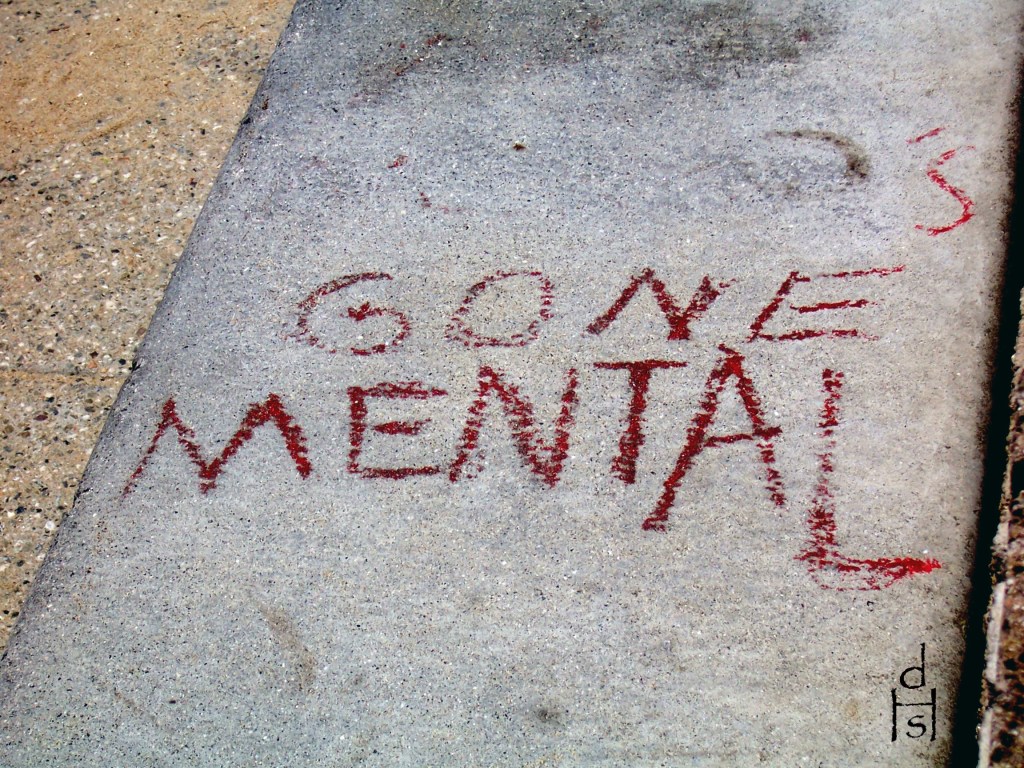
Mental Illness Is No Joke By Deborah Hill, LCSW (Ret.)
Mental illness is a health condition that affects thoughts, feelings, and behaviors—and makes everyday functioning harder. (NIH) Think: Depression, Anxiety, Bipolar Disorder, PTSD, Schizophrenia, ADHD, and more.
I often write about how we all make choices to meet our needs. But for those living with mental illness, that process can feel like walking through fog. Brain chemistry can distort reality and make even basic questions harder to answer:
What do I want?
What am I doing to get it?
Is it working?
Why or why not?
What could I do instead?
Mental illness isn’t a character flaw. It’s not weakness. It’s not “just in your head.” And it’s definitely not a joke.
Working with a trained therapist can help untangle thoughts, challenge distorted beliefs, and build a life worth living—even if a cure isn’t possible.
If you’re struggling, please know: You are not alone. You are not broken. And you can feel better—with help.
Eliminate the Worrywart: Understanding and Managing Everyday Anxiety By Deborah Hill, LCSW (Ret.)
“I had a big presentation today and was up all night worrying.” “I’m running late again—I’m afraid I’ll lose my job.” “I’m so worried about Jim’s health, I can’t eat.”
Sound familiar? We all worry. But chronic worry is more than emotional discomfort—it’s a contributor to high blood pressure, digestive issues, insomnia, and even long-term health breakdowns. Some people literally worry themselves sick.
Worry Is an Illusion of Control
Worrying often feels like doing something—but it’s really just a poor attempt at control. When we worry, we unconsciously think:
“If I think hard enough, I can stop something bad from happening.”
“If I don’t worry, I’ll be unprepared or uncaring.”
“If I mentally run every possible outcome, I can force the right one.”
None of that is true. A woman worrying in the waiting room during her husband’s surgery isn’t helping him heal—she’s draining her own energy. If she took a walk, grabbed coffee, or talked with a friend, the outcome wouldn’t change—but her resilience to face it would improve.
Worry = Self-Induced Stress
Unlike external stress (deadlines, illness, difficult people), worry is internal and voluntary. It places your body on red alert:
Muscles tense
Digestion slows
Heart rate and blood pressure rise
Adrenaline spikes
You lose sleep, focus, and peace
Your body thinks it’s in battle mode. But there’s no enemy. Chronic worriers stay on this battlefield for years—until their body breaks down.
Why We Worry
Worry can stem from love, fear, or habit. People say, “If you love someone, you worry about them.” But love doesn’t require mental telepathy. It asks for care and presence—not obsessing over things you can’t control.
The term “worrywart” makes sense. Left unchecked, worry grows and consumes. Like a wart on the body, it starts small but can overtake everything.
How to Squash the Worrywart
1. Recognize What Worry Is
Worry is a thought loop aimed at controlling the uncontrollable. You’re trying to predict, prevent, or fix something—often using nothing but mental energy.
2. Acknowledge You’re Not Telepathic
You cannot control life, death, illness, or other people’s decisions by thinking hard enough. No one can. And that’s okay.
3. Tune into Your Warning Signs
Your body gives you early alerts—like a ship moving from green to yellow to red alert. Ask yourself:
Are my thoughts racing?
Do I feel tense or sick?
Am I imagining worst-case scenarios?
Name it: “I’m worrying.” Awareness breaks the cycle.
4. Ask: Can I Control This?
If the answer is no, accept that. Letting go doesn’t mean you don’t care—it means you’re reclaiming energy for what is within your power.
5. Turn Worry into Work
✦ Prayer or Reflection
Prayer isn’t worry—it’s surrender. It can offer peace and perspective. If prayer’s not your thing, mindful reflection or meditation works too.
✦ Redirect Your Thoughts
Change your environment: get up, move around, talk to someone, take a walk, or do something tactile. Worry often fades when we shift context.
✦ Focus Your Mental Beam
Engage in hobbies or tasks that require concentration—baking, puzzles, gardening, music. Focus crowds out worry.
✦ Move Your Body
Physical activity releases stress. You don’t need a gym membership. Dance in your kitchen, walk the dog, clean the garage. Use that fight-or-flight energy productively.
✦ Get Involved
Channel worry into action:
Concerned about health? Research and prepare.
Afraid of crime? Join a community initiative.
Overwhelmed by a deadline? Learn time management or ask for help.
The Energy Shift
“I wish I had her energy—I feel so drained.” She may not have more energy, just fewer leaks. Chronic worry is an energy drain. When you stop trying to control what you can’t, that energy returns. You feel lighter. Healthier. Calmer.
Bottom Line?
Worry is optional. Learned behavior can be unlearned. Stop rehearsing disaster. Step away from the red alert. Reclaim your body, mind, and peace. It’s never too late to squash the worry wart.
Many people live with chronic mental health conditions—depression, anxiety, ADHD, PTSD, and more. These are real, brain-changing diagnoses that often require medication and therapy just to maintain a sense of “normal.” For some, the illness is severe enough that the old normal no longer applies. They’re left to build a new one from scratch.
The same is true for those facing chronic or life-altering physical illness. They too must learn how to cope, adapt, and find a new way forward.
I live with CPTSD, depression, and anxiety. Over the years—both personally and professionally—I’ve seen a pattern: we often see ourselves as broken pieces of china, trying desperately to glue the fragments back together. But at the same time, we treat ourselves like disposable red Solo cups—crushed under the weight of perceived failure, the loss of a “normal” life, self-blame, and anger toward ourselves, others, the universe, even God.
It doesn’t have to be this way.
We deserve better from ourselves. Healing is hard enough. Beating yourself up will only make it harder.
If life has chipped or cracked your fine china, you have every right to grieve. You have every right to mend. But stop letting yourself—or others—treat you like a crushed plastic cup.
Here are some ways to start reclaiming your worth:
Know your limitations—and respect them. Boundaries aren’t weakness; they’re wisdom.
Create a safe space. Whether physical or emotional, make a place where you’re untouchable.
Practice stress reduction. Listen to music. Meditate. Read. Walk in nature. Do what calms your nervous system.
Pay attention to your self-talk. Are you your own worst enemy? Are you constantly angry, hopeless, or stuck in shame?
Spend time with supportive people. Seek out those who lift you up, not tear you down.
Explore a spiritual practice. Remind yourself that you are more than this moment, this diagnosis, or this body. There is a bigger picture—and you are a meaningful part of it, even if you don’t fully see it yet.
You are not broken. You are fine china—fragile, perhaps, but still beautiful. Still valuable. Still worth protecting.



 Deborah Sickle Hill