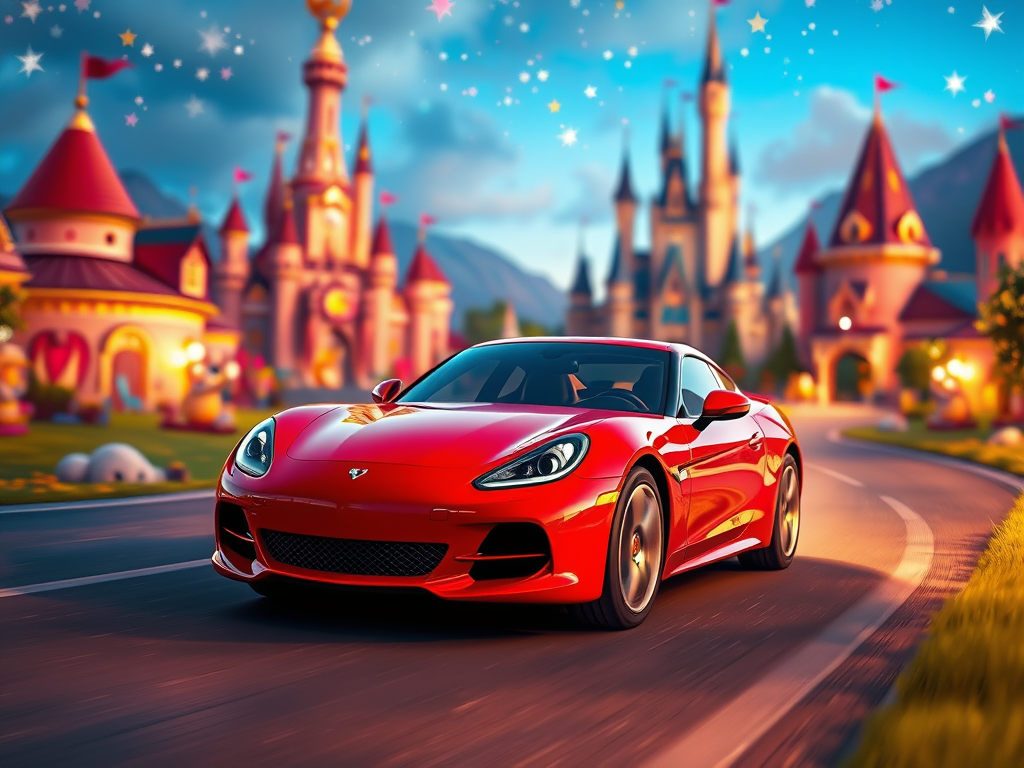
Hubby and I walk into a car rental place and pick out a Chevy Cruze the agency insists is “RED.” I call it terracotta. Chevy’s website calls it Autumn Metallic. Either way, it’s not red.
Why does this matter? Imagine trying to find your rental in a strange lot and saying, “It’s red.” Would you look for that car? Exactly.
The Cruze also has a dashboard computer that does everything but bake bread—without instructions. Too tired to figure it out, we grab gas and snacks at a Kangaroo mini-mart.
While Hubby’s inside, I plug in my phone. He returns and says, “Find something on the radio. Looks like it’s got satellite.” I try, but the screen keeps asking me permission for things I don’t understand. I hit yes. Nothing happens.
Then suddenly—music. “Yo, ho, yo, ho, a pirate’s life for me,” in a voice suspiciously like Johnny Depp. Next up: This Is Halloween from The Nightmare Before Christmas. Perfect, since we’re headed to Disney World.
“It’s like they know we’re coming,” Hubby says. “Disney must have its own station.”
I’m convinced. We sing along—until the songs end abruptly. Then comes a rumba ditty we hate, followed by beeps, whirls, and finally… a telephone ring.
Hubby stares at me. “Those are your ringtones! The car is playing your ringtones. What did you plug into?”
And just like that, the Disney magic vanishes. Johnny Depp wasn’t crooning to me after all; it was an old 99-cent ringtone download. This Is Halloween? Same story.
So no, I don’t know how to work the car’s computer. But I do know one thing: I’m not sitting in a RED car.
Has your car ever synced itself to your ringtones?
I’m in my office working on another novel, and my palm started itching. I thought, good, it’s my left hand–money is coming my way. And then I laughed–silly old superstitions.
I needed a break, so I thought, how many superstitions or old wives’ tales do I carry around with me? How about you? Do any of these ring true for you? If you have one not on the list, add it in the comments.
Left palm itches, money is coming. Right hand, kiss it goodbye.
Bird flies into a window it means death will follow.
If a person’s picture falls over, it’s an omen they need help.
Throw salt over your shoulder for good luck.
Black cat crosses your path, bad luck is coming.
Crickets in your house is good luck–unless you kill them!
People can throw you the evil eye and make you sick.
It’s bad luck to stumble upon a funeral.
Make a wish on a four-leaf clover.
Friday the 13th is a day horrible things happen.
Don’t open an umbrella inside, bad luck will rain on you.
Don’t walk under a ladder.
Don’t pick up a penny unless it’s heads up.
Horseshoes turned up, are good luck. Turned down, your luck runs out.
Bad things happen in threes.
The size and number of the brown bands on a woolly caterpillar indicate the snowfall for the winter.
You must eat pork on New Year’s Day.
Laying hands on someone can cure them.
If a groundhog sees his shadow, we have 6 weeks of winter (or is it the opposite)
Craving Connection in a World of Instant Gratification
By: Deborah Hill LCSW (Ret.)
I like to unwind with reruns of The Colbert Report and The Daily Show. No matter what kind of day I’ve had, that satirical hour somehow makes everything feel a little better.
One episode featured a spoof on black-market Canadian maple syrup, comparing it to a drug cartel. The mock reporter—adamantly syrup-free—feared one taste would spiral him into addiction, crime, and sticky ruin. Naturally, he caved. The next thing you know: endless pancakes, missed work, shady street deals, and a full-blown syrup bender.
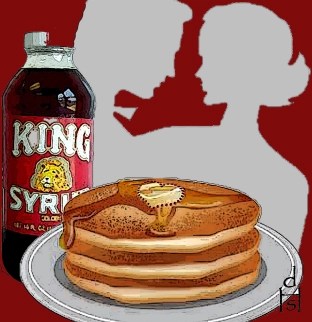
I laughed out loud—then turned to my dog and said, “Damn, I wouldn’t mind some pancakes with syrup. Do we have any King Syrup?”
King Syrup is the good stuff—thick, rich, slow to pour. My dad used to beg me to smuggle bottles down to Florida. You can’t get it there. He gets it. I get it. We’re syrup people.
That night, I resisted. I had toast with peanut butter and milk in a blue Solo cup. Later, I played a few rounds of Bubble Mania, freeing kittens from bubbles (usually gratifying). But not that night. My mind was stuck on syrup.
At 6:00 a.m., I woke up with one clear thought: Pancakes.
I made a stack—instant mix, just add water. Three golden-brown discs with butter, warm and waiting. I pushed my work aside and gave them my full attention.
With reverence, I poured the King Syrup (not Canadian, but Fredonia, NY—close enough?) and let it soak in. Not too long—you don’t want soggy regret. Then I ate, slowly, trying to channel the reporter’s syrup high.
It didn’t work.
What I got was 1,000 empty calories and the gnawing feeling that this wasn’t it. Not really.
And then it hit me: What I wanted wasn’t pancakes or syrup. I wanted joy. I wanted connection. To feel loved, valued, seen. Maybe even touched. Perhaps even… sex. Or intimacy. Or something that told me I mattered.
Sometimes, we crave comfort and reach for what’s easy—food, TV, a distraction—because it almost satisfies. It promises to fill the hole but leaves us emptier than before. We make choices that don’t serve us, not because we’re broken, but because we’re human and hungry for something deeper.
The mind is tricky. Needs unfulfilled will find a workaround, even a ridiculous one. That Colbert sketch planted a seed. Logically, I knew pancakes weren’t the answer. But that night, syrup made sense.
Is it any wonder our behavior can get a little wacky? That we gravitate toward something—or someone—that offers relief, even when we know better?
What if we could pause in those moments and ask, “Is this really what I need?”
What if we could yell STOP before that instant gratification derails something deeper?
If you find yourself elbow-deep in pancakes and still feeling empty, it might be time to ask what you’re really craving. And maybe—just maybe—you’ll find a healthier, richer, more lasting way to feed that hunger.
Ghost stories have chilled our bones for centuries—not just because of the specters themselves, but because of what they stir in us. The best ghost stories don’t just go bump in the night; they linger, unsettling our minds long after the last page is turned or the fire has burned low.
If you’re hoping to write a ghost story—whether spine-tingling, sorrowful, or somewhere in between—here are a few timeless elements to guide your way:
1. Atmosphere Is Everything
A compelling ghost story begins with setting. Think of your setting not just as a backdrop, but as a character with a mood of its own—dripping with memory, silence, or decay. A fog-drenched marsh, a creaking farmhouse, a cold hospital corridor—these places pulse with potential.
“It is the house that is haunted.” – Shirley Jackson
2. Root It in Emotion
The most enduring ghost stories tap into something deeply human: grief, guilt, longing, trauma. The supernatural often becomes a mirror for the emotional state of your characters. Ask yourself: What does the ghost represent?
Whether it’s a metaphor for a buried secret or the echo of a tragedy, a ghost tied to emotion will resonate long after the scare fades.
3. The Power of Restraint
Don’t show everything. Let tension simmer. Often, what’s not seen is more terrifying than what is. Hint. Suggest. Let your readers’ imaginations fill in the blanks. A shadow under the doorframe. A child’s voice in an empty room. A chair rocking slowly in the attic.
Ambiguity can be far more haunting than clarity.
4. A Strong, Unsettling Hook
Start with something slightly “off.” Maybe it’s a character who hasn’t slept in days. A letter that arrives from someone long dead. A recurring dream. The earlier you plant a sense of unease, the deeper your story will dig into the reader’s mind.
5. Make It Personal
Why this character? Why now? The haunting should feel intentional. Is it a long-buried family secret? An unresolved betrayal? A child who vanished without a trace? When the haunting is personal, the stakes rise—and so does the fear.
6. Let the Truth Unravel Slowly
Don’t give away the whole ghostly tale at once. Breadcrumbs of revelation—an old photograph, a diary, a recurring phrase—allow tension to build. A ghost story is a mystery wrapped in fog; each step forward should feel like sinking deeper into something forgotten.
7. The Ghost (or Its Absence) Matters
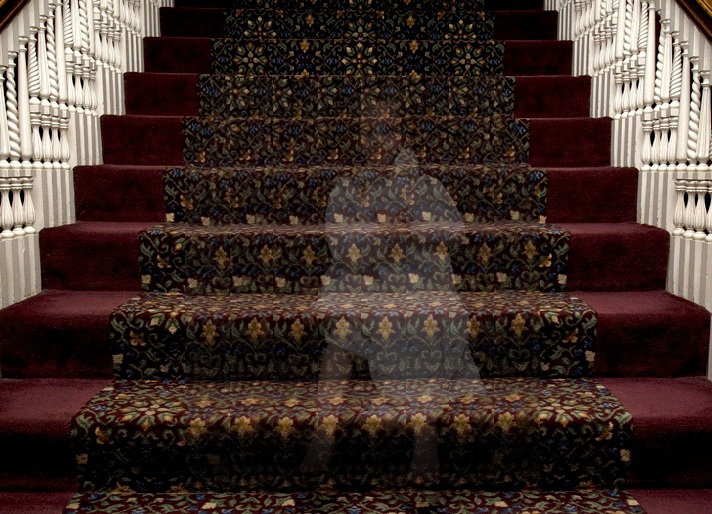
Some ghosts howl. Others whisper. And sometimes, the most terrifying presence is one the reader never fully sees. Whether it’s a pale figure at the foot of the bed or the unexplained scent of lavender where no one has been, make your ghost memorable—visually, emotionally, or symbolically.
8. There Should Be Consequences
By the end of a good ghost story, something has changed—someone is haunted, altered, broken, or freed. A ghost should leave a mark, not only on the characters but on your reader.
Final Thought: A ghost story is never just about a ghost. It’s about what haunts us—personally, culturally, emotionally. If you write with that in mind, your story will do more than frighten. It will linger.
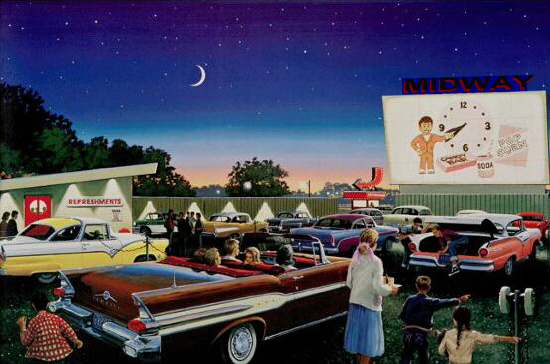
It’s drive-in movie time again. Even though nights are still on the cool side, it didn’t stop our local drive-in’s opening weekend from being a near sell-out for Lilo & Stitch and Mission: Impossible.
Like good American nostalgia enthusiasts, we gathered our blankets, hooded sweat shirts, lawn chairs, a bag of McDonald’s food, folding table and a game of Haunted Mansion Life (yes it’s a Disney thing) and headed for the drive-in forty-five minutes away.
It was good to see so many other cars, vans and trucks in attendance. The enticing smell of popcorn, hot dogs and fresh coffee filing the air. Kids of all ages running about, throwing around balls, swinging on swings or playing games with family and friends around their vehicles. Adults sat around playing cards, friends were reunited. We were about an hour from show time. You have to go at least an hour before show time for a good spot and for socializing.
According to the LA Times, at the height of the drive-in theater craze there were over 4,000 drive-in movie screens or about 25% of all movie screens in the country. Today there are only approximately 368 or 1.5%. Drive-in movies are a dying bread in great family entertainment.
Why go to a drive-in when you can attend a modern indoor theater with rocking, cushy chairs and state of the art Dolby surround-sound? Here are my top ten reasons.
10. It’s an American institution that should be preserved.
9. Two movies for the price of one.
8. Before movie social time with family and friends.
7. You can talk all you want during the film and no one cares.
6. Sit in the car, on lawn chairs, laying in a truck or van, in sleeping bags on the ground. Whatever floats your boat.
5. You control the volume of the sound around you.
4. Bring the kids in their pajamas. If they fall asleep, no problem. Wrap them in a blanket. Once you are home, just plop them into bed. (Yes, put them in a car seat on the way home)
3. Bring your own treats but make sure to patronize the concession stand. Most drive-ins depend on this to off-set cost of the business. Our concession stand is like a take-out restaurant.
2. It’s an event, not just a film. Everyone gets excited when you tell them it’s drive-in movie night!
1. You get to watch the dancing concession stand food advertisement at intermission. “4 minutes till show time, just enough time to get a fresh bag of popcorn and a refreshing soda.. 3 minutes till show time…” As the dancing hot dogs in buns jig with a couple bags of popcorn to hooky carnival music.
Want to know if there is a drive-in near you? Go to DriveinMovie.com. They have them listed state by state. See you at the drive-in!
Oh yes, Lilo & Stitch and Mission: Impossible were great films. I recommend those too.
They say zombies are the living-dead—soulless husks roaming the earth in search of flesh to satisfy an unholy hunger.
But I say zombies are the dead-living—those still breathing, still walking, yet hollowed by pain, wandering this world and beyond in search of something to quiet an unrelenting restlessness.
We think hauntings happen only in places touched by death—houses, graveyards, battlefields. But hauntings happen in the mind, too.
Some people haunt themselves. Others are haunted by their everyday reality. And then there are those whose haunting was born in unspeakable terror—one that doesn’t fade with the light, but grows stronger after dark, when the vulnerability of sleep sets in.
This isn’t just restlessness of the body. It’s a soul-deep disturbance. It whispers at the edges of consciousness, like a ghost speaking through a medium. No one else sees it—only the aftershocks etched across a person’s face, voice, choices.
It’s tempting to run. I’ve run. I’ve searched shadows, scoured dark corners, tried to flee from the thing inside me. But here’s the truth:


 Deborah Sickle Hill