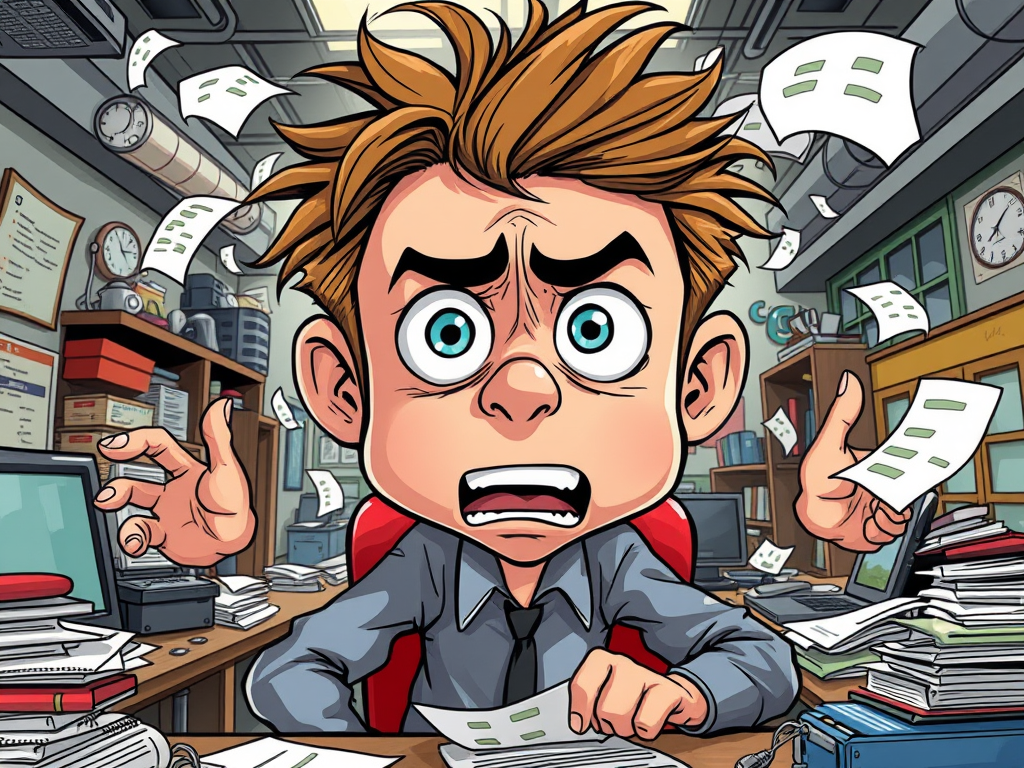
A stress is something in your environment that convinces your body to react as though it’s in danger. It can be simple things such as new responsibilities at work, changes in your schedule, or ever stimulation such as overcrowding, too much light, too much noise.
Stress can be Positive, Negative or Neutral.
Negative: It can quickly cause headaches, muscle tension, irritability, anxiety, and anger. Examples: Losing a job, health scares, being burgled, too many deadlines.
Neutral stress typically has the slowest reactions, unless multiple stresses combine. Examples: Finishing a project, moving to a new city, or a change in family dynamics.
Relationships are like trees. When the storm of stress hits, it will either bend or snap. All relationships experience stress. You can’t avoid it.
If you start out with the great relationship, increased stress will still put a strain on that relationship. If you have a mediocre or poor relationship increased stress will make the road much rockier and possibly snap the relationship.
The severity of the stress, the couple’s support system and how well they communicate will help determine how strong and healthy their relationship will be after the storm. Therefore, I always tell people they should have stress inoculation.
Each person handles threats in a different way. You may remember being taught that people either flee, fight, freeze or flop. Stress is experienced in the brain as a threat.
Two people in the same situation can react completely differently from each other.
Fleeing: One person in the relationship may need to take more walks alone or go out with friends more often. This person is fleeing. They need to escape the situation, even if only temporarily. They feel if they don’t flee they will be unable to tolerate the situation.
Fighting: Another person may start arguments, have tantrums, or start physical fights when they are stressed. They may tell you they feel they’re up against the wall and need to react this way to protect themselves. There really is no physical danger or need for protection, but their biology and past learning convinces them otherwise. These people are the fighters.
Freeze: Another person will do nothing. These people become quiet, withdrawn and can’t handle having confrontations. The more upsetting the stress around them the more they shut down. These people are the freezers.
Flop: Another person will flop. Flopping means the person falls down or faints. This usually occurs during times of extreme, sudden stress.
Adrenaline fatigue is an example of flopping (burnout) can happen when a person experiences a long-term stressful environment. It manifests as extreme fatigue sometimes debilitating, and the person can’t function. In time the body wears down and the person gets sick more often and in severe cases can cause or speed the rate of heart disease and death.
So how can a person stress inoculate?
Step one: remember stress happens it’s only a matter of when and what kind.
Step two: know how you react to stress. Are you a flopper, the fleer, a fighter, or someone who freezes?
Step three: if you’re in a relationship, which of these reactions does your significant other use?
Step four: acknowledge and accept that the way your significant other reacts does not have to be the way you react.
Step five: develop good communication before stress hits. If you’re already in the stress boat, take a timeout away from home in neutral territory where you can discuss the stress and how it affects each of you.
Step six: do not bring other parties into your conflict. This is not about he said, she said, he’s bad, she’s bad, I’m right, they’re wrong. It’s about coping when you’re not your best or when loved ones are not at their best
Step seven: do not make any life changing decisions while under extreme stress unless absolutely necessary. You’re not in your normal thinking mind. You’re in survival mode and the part of your brain that deals with rational thinking has taken a side seat to your primitive survival brain.
Step eight: focus your thinking on elements in your life that currently give you joy. There is no such thing as not having joy. Joy is a way of looking at elements in your life that bring peace, appreciation, good healthy feelings if viewed in a positive light. Find it and make it significant.
Step nine: this too shall pass. The outcome of a stressful event may not be positive but the events unfolding are moving in time as you are. You’ll either make decisions for change to get in a better place or the events will change and there will be release.
Step 10: after riding that storm of stress, sit down and evaluate how you reacted and how you both reacted as a team. What worked, what needs tweaked and what needs changed to prepare for the next round.
In the end I’d like to think that most people want their relationships to be healthy, happy and supportive. Remember you are team. Even if you didn’t say the words, for better or worse, as part of a marriage ceremony or you have a committed relationship of any kind, the intent is implied. If your relationship starts looking rocky, do a stress evaluation for both of you. Do it together. Remember, this too shall pass.
 Deborah Sickle Hill
What’s on your mind?