Writing the Ghost Story
4-5 Minute Read
What makes a ghost story truly haunting?
Ghost stories have chilled our bones for centuries—not just because of the specters themselves, but because of what they stir in us. The best ghost stories don’t just go bump in the night; they linger, unsettling our minds long after the last page is turned or the fire has burned low.
If you’re hoping to write a ghost story—whether spine-tingling, sorrowful, or somewhere in between—here are a few timeless elements to guide your way:
1. Atmosphere Is Everything
A compelling ghost story begins with setting. Think of your setting not just as a backdrop, but as a character with a mood of its own—dripping with memory, silence, or decay. A fog-drenched marsh, a creaking farmhouse, a cold hospital corridor—these places pulse with potential.
“It is the house that is haunted.” – Shirley Jackson
2. Root It in Emotion
The most enduring ghost stories tap into something deeply human: grief, guilt, longing, trauma. The supernatural often becomes a mirror for the emotional state of your characters. Ask yourself: What does the ghost represent?
Whether it’s a metaphor for a buried secret or the echo of a tragedy, a ghost tied to emotion will resonate long after the scare fades.
3. The Power of Restraint
Don’t show everything. Let tension simmer. Often, what’s not seen is more terrifying than what is. Hint. Suggest. Let your readers’ imaginations fill in the blanks. A shadow under the doorframe. A child’s voice in an empty room. A chair rocking slowly in the attic.
Ambiguity can be far more haunting than clarity.
4. A Strong, Unsettling Hook
Start with something slightly “off.” Maybe it’s a character who hasn’t slept in days. A letter that arrives from someone long dead. A recurring dream. The earlier you plant a sense of unease, the deeper your story will dig into the reader’s mind.
5. Make It Personal
Why this character? Why now? The haunting should feel intentional. Is it a long-buried family secret? An unresolved betrayal? A child who vanished without a trace? When the haunting is personal, the stakes rise—and so does the fear.
6. Let the Truth Unravel Slowly
Don’t give away the whole ghostly tale at once. Breadcrumbs of revelation—an old photograph, a diary, a recurring phrase—allow tension to build. A ghost story is a mystery wrapped in fog; each step forward should feel like sinking deeper into something forgotten.
7. The Ghost (or Its Absence) Matters
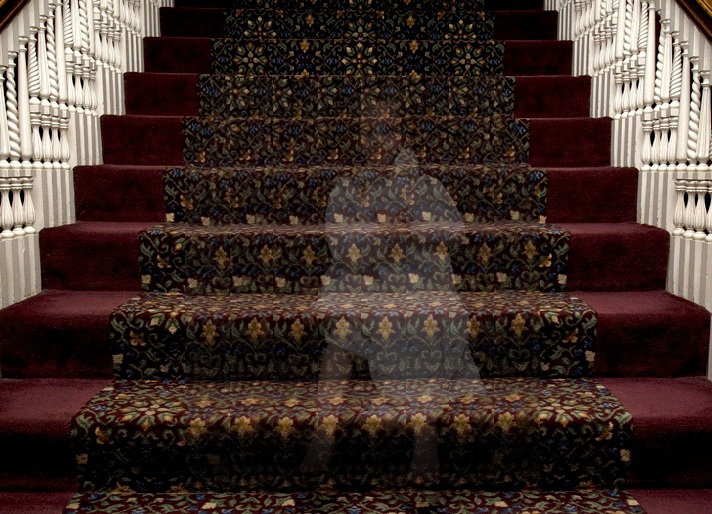
Some ghosts howl. Others whisper. And sometimes, the most terrifying presence is one the reader never fully sees. Whether it’s a pale figure at the foot of the bed or the unexplained scent of lavender where no one has been, make your ghost memorable—visually, emotionally, or symbolically.
8. There Should Be Consequences
By the end of a good ghost story, something has changed—someone is haunted, altered, broken, or freed. A ghost should leave a mark, not only on the characters but on your reader.
Final Thought: A ghost story is never just about a ghost. It’s about what haunts us—personally, culturally, emotionally. If you write with that in mind, your story will do more than frighten. It will linger.
Written with refinement from ChatGPT
 Deborah Sickle Hill
What’s on your mind?