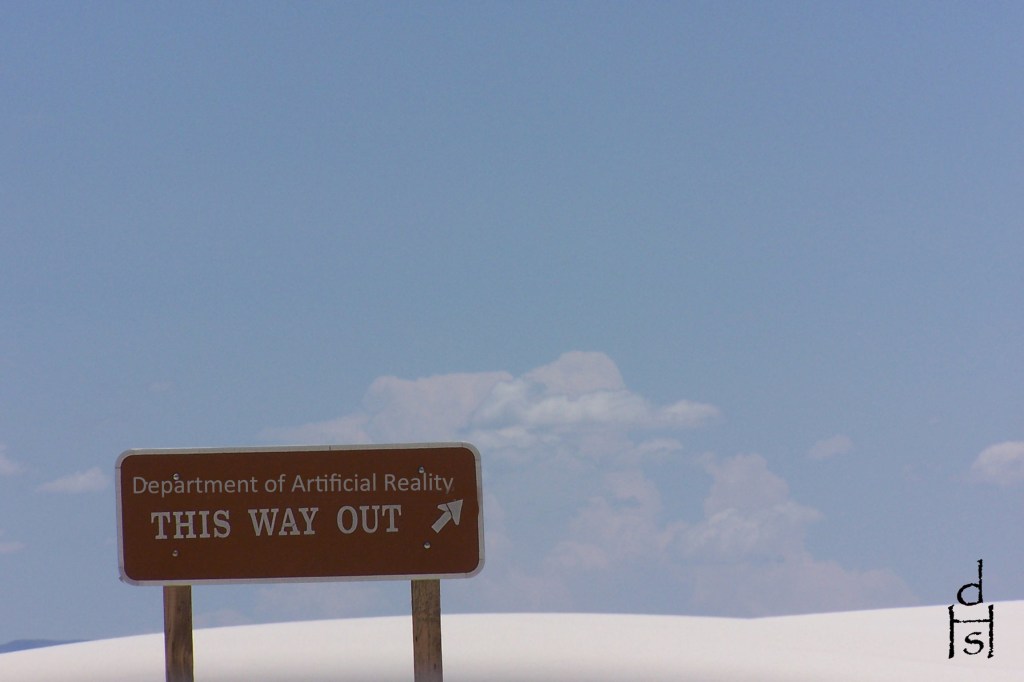
Have you ever wondered if people in developing countries spend time dreaming about “something better”? Or is this constant questioning—this hunger for more—a distinctly Western habit, born of comfort, choice, and relentless comparison?
I first learned to long for something more when I saw Cinderella as a child. The girl in rags, waiting to be rescued from misery, dreaming of a love that would change everything. Or Casper—the lonely ghost who just wanted to be accepted and loved. If I really thought about it, I could name a hundred stories with the same core message: there must be something better out there.
But how do we decide when “what we have” isn’t enough? In my work as a therapist, I’ve seen people thrive in hardship and suffer in abundance. It seems happiness isn’t about circumstances—it’s about mindset.
We hear sayings like, “When life gives you lemons, make lemonade.” But what if you don’t want lemonade? What if you want mangoes or chocolate cake or something no one ever offered you? Is the quest for more a refusal to settle—or an inability to accept?
Maybe it’s not about choosing between reaching for more and embracing what is. Maybe the real trick is balancing both.
I’ve met people living with far fewer material resources—like in North Africa or Haiti—who radiate joy. Is that joy selective, performative, or real? Maybe they’ve learned to be content while still holding hope. Maybe they’ve mastered the paradox that trips so many of us up.
Because the truth is, some people will always chase “what’s next,” and others will find deep satisfaction in the present. The happiest lives may not be the ones that had the most—but the ones that struck a balance between striving and surrender.
So if you’ve ever been told, Sorry, the life you wanted is out of stock, you still have choices. You can keep hoping, keep growing. You can pour your dreams into the life you already have. Maybe that’s not settling. Maybe that’s the truest form of freedom.

 Deborah Sickle Hill
What’s on your mind?